SCI FACTS'25 - Photonic Structures
Photonic crystals are nanostructures that affect the motion of photons (light) in much the same way that semiconductor crystals affect electrons. They feature periodic structures that can block certain "colors" of light while letting others pass through, creating what is known as a photonic bandgap.
This precise control over light allows for the creation of ultra-efficient optical fibers and laser systems. By trapping and guiding light with zero loss, photonic structures are the key to the next generation of high-speed internet and telecommunications, moving data at the speed of light with minimal energy.
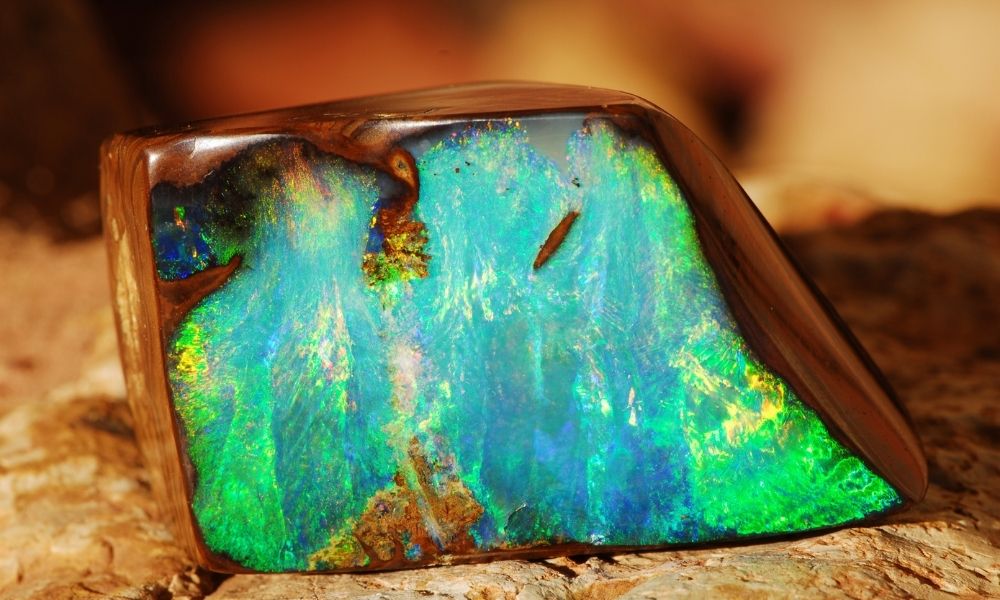
Nature actually discovered photonic crystals long before humans did. The brilliant, shifting colors of butterfly wings, peacock feathers, and opals are not caused by pigments, but by microscopic photonic structures that reflect specific wavelengths of light. This is known as "structural color."
In the future, these structures could lead to light-based computing, where photons replace electrons in our processors. This would result in computers that are thousands of times faster and more energy-efficient than anything we have today, truly ushering in the "Age of Light."