Archives of 2025
Showing 35 results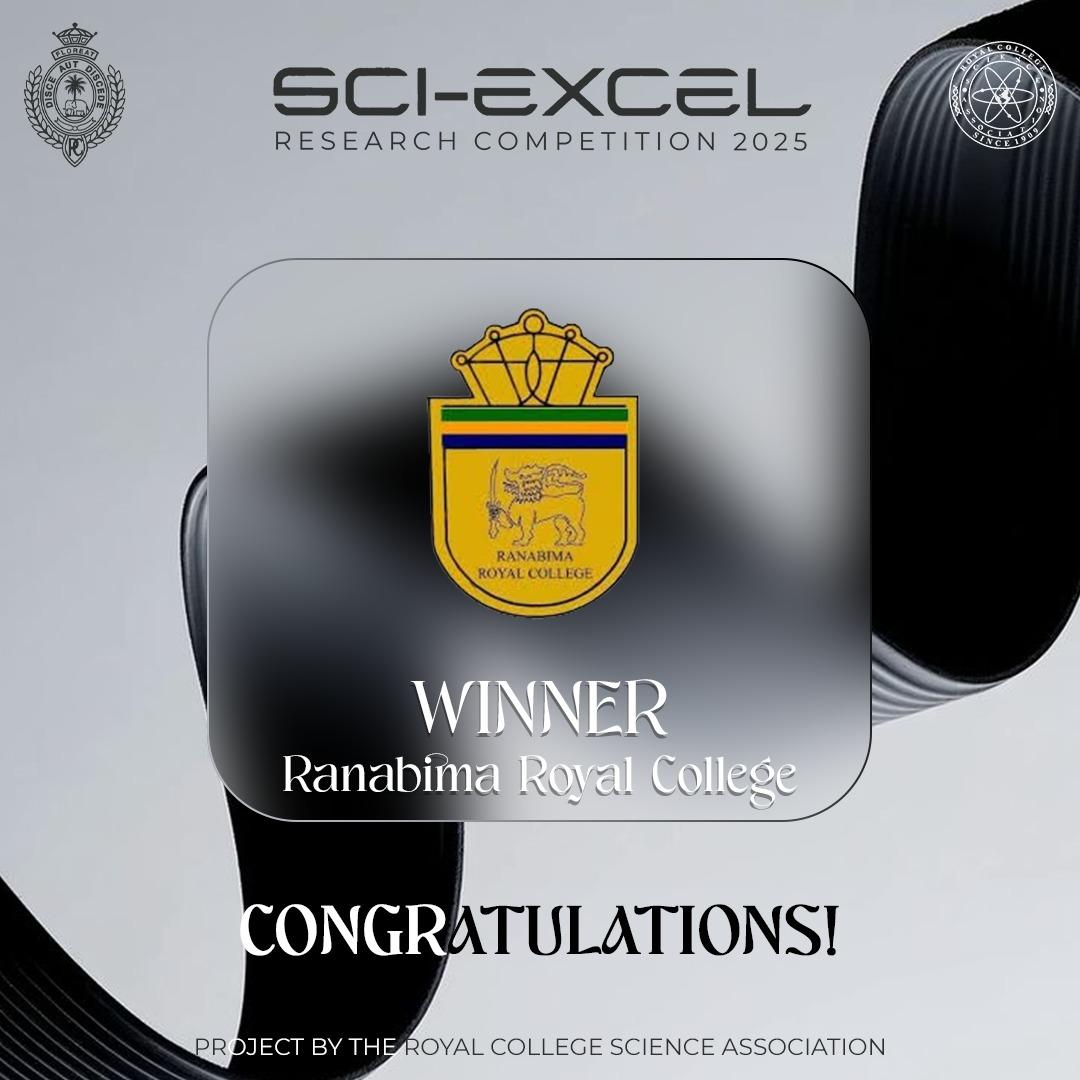
SCI EXCEL'25 - Winners Announced!
The All Island Inter School Research Competition, organized by the Royal College Science Association. After a grueling final showdown, the winners have been chosen! Winner - Ranabima Royal College 1st Runner Up - Mahamaya Girls' College 2nd Runner Up - Gothami Balika Vidyalaya Congratulations to the top performers of Sci Excel'25 - The All Island Inter School Research competition organized by the Royal College Science Association. Your exceptional performances have set a high benchmark for this historic event.
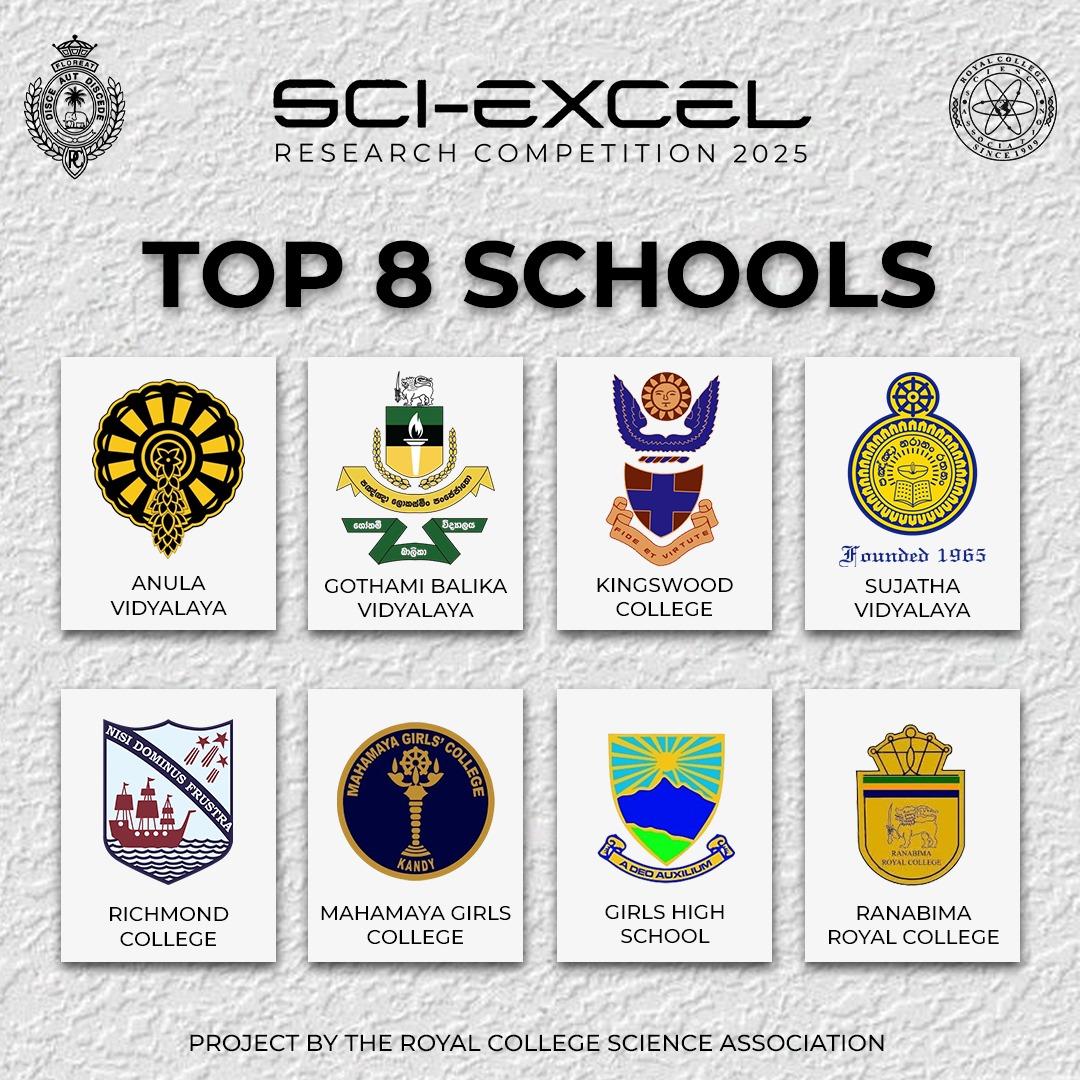
SCI EXCEL'25 - Top 8 Schools
The All Island Inter School Research Competition, organized by the Royal College Science Association. Finalists have already been selected! Anula Vidyalaya, Nugegoda Gothami Balika Vidyalaya, Colombo Kingswood College, Kandy Sujatha Vidyalaya, Nugegoda Richmond College, Galle Mahamaya Girls College, Kandy Girls High School, Kandy - Ranabima Royal College Congratulations to all finalists! Winners will be awarded on the Sci Excel'25 Grand Finale, Royal College.
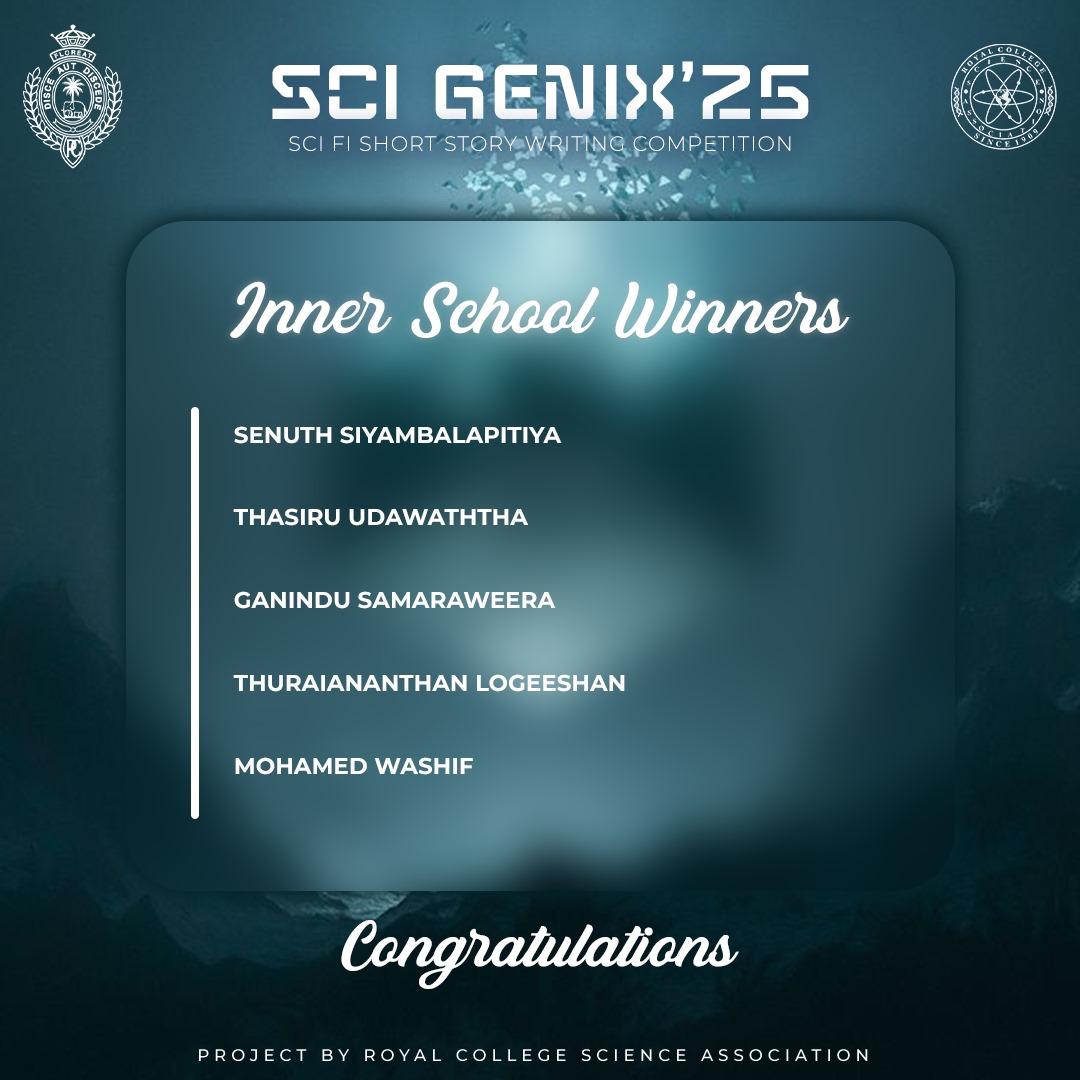
SCI GENIX'25 - Inner School Winners
Inner School Winners Senuth Siyambalapitiya Thasiru Udawaththa Ganindu Samaraweera Thuraiananthan Logeeshan Mohamed Washif Congratulations to all winners!
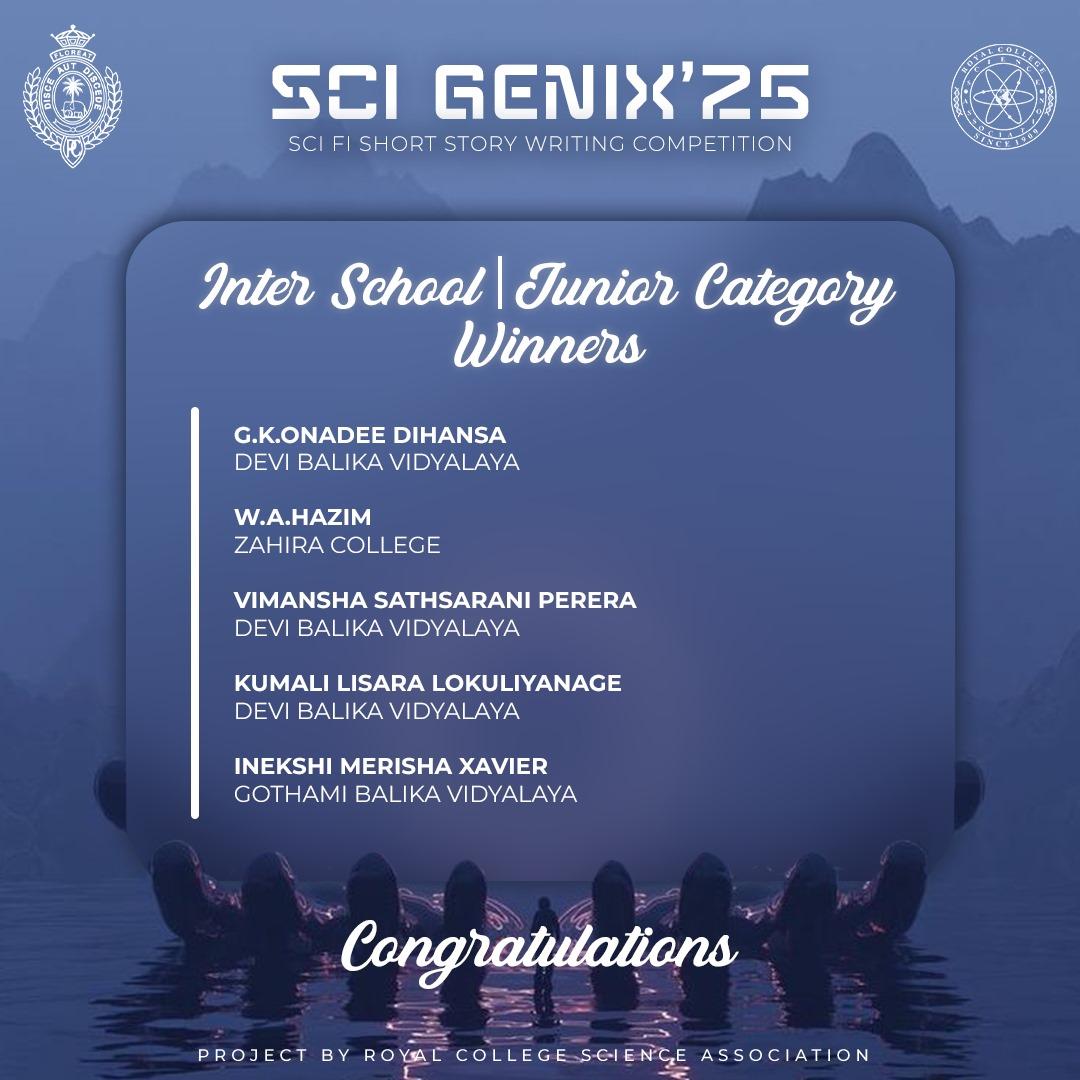
SCI GENIX'25 - Inter School Junior Category Winners
Inter School Junior Category Winners G.K.Onadee Dihansa - Devi Balika Vidyalaya W.A.Hazim - Zahira College Colombo Vimansha Sathsarani Perera - Devi Balika Vidyalaya Kumali Lisara Lokuliyanage - Devi Balika Vidyalaya Inekshi Merisha Xavier - Gothami Balika Vidyalaya Congratulations to all the winners!
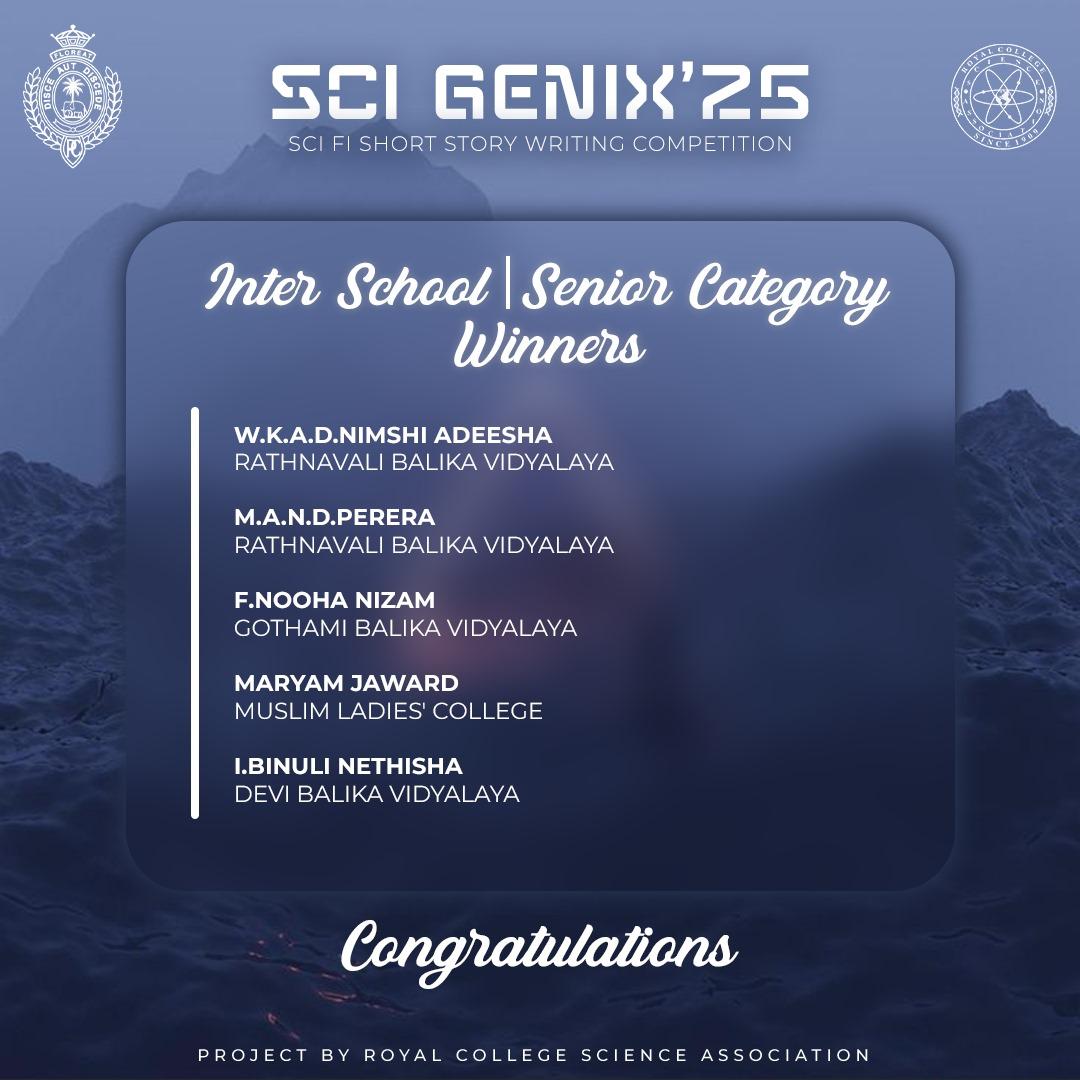
SCI GENIX'25 - Inter School Senior Category Winners
Inter School Senior Category Winners W. K. A. D. Nimshi Adeesha - Rathnavali Balika Vidyalaya M.A.N.D.Perera - Rathnavali Balika Vidyalaya F.Nooha Nizam - Gothami Balika Vidyalaya Maryam Jaward - Muslim Ladies' College I.Binuli Nethisha - Devi Balika Vidyalaya Congratulations to all winners!
SCI FACTS'25 - Talking Genius
African Grey Parrots are highly intelligent birds capable of mimicking human speech, understanding meanings, and solving problems, showing cognitive abilities similar to young children. The Cognitive Powerhouse The African Grey Parrot (Psittacus erithacus) is widely regarded as one of the most intelligent avian species on the planet. Beyond simple imitation, these birds demonstrate complex mental processes that challenge our understanding of animal consciousness. Masters of Communication Their ability to interact with humans goes far beyond "parroting" sounds: Semantic Understanding: Unlike many other mimics, African Greys can learn to associate words with their actual meanings, colors, shapes, and quantities. Contextual Speech: They often use learned phrases in the correct social context, demonstrating a functional grasp of communication. Vocal Accuracy: Their physical ability to replicate human tones and environmental noises is among the most precise in the animal kingdom. Advanced Problem Solving Research indicates that the African Grey possesses a level of intelligence comparable to a 3- to 5-year-old human child: Logic & Reasoning: They can solve complex puzzles that require multiple steps and the use of tools. Memory: They possess exceptional long-term memory, allowing them to recognize individual humans and remember specific tasks over years. Emotional Intelligence: These parrots form deep social bonds and can exhibit signs of empathy and complex emotional needs. A Global Icon of Intelligence Their remarkable abilities have made them central figures in avian cognitive research and cherished companions across the globe. The African Grey serves as a living reminder that high-level intelligence can evolve in diverse forms, making them true "Talking Geniuses" of the natural world.
SCI FACTS'25 - Wing Odyssey
The Arctic Tern migrates over 70,000 kilometers each year, traveling from the Arctic to the Antarctic and back, achieving the longest annual migration of any animal. The Ultimate Voyager The Arctic Tern (Sterna paradisaea) holds the record for the most extensive migration in the animal kingdom. By following a zig-zagging path across the globe, these birds ensure they are always in a region experiencing summer, effectively seeing more daylight than any other creature on Earth. An Epic Round-Trip Their journey is a feat of biological engineering and endurance: Global Transit: They fly from their northern breeding grounds in the Arctic all the way to the Antarctic coast and back again. Distance: Over a lifetime of approximately 30 years, an individual tern may fly a total distance equivalent to traveling to the Moon and back three times. Navigation: They possess incredible navigation skills, utilizing the Earth's magnetic field, the position of the sun, and polarized light to stay on course over trackless oceans. Survival Against the Odds Completing this 70,000-kilometer odyssey requires more than just stamina; it requires mastery over the elements: Extreme Weather: The birds must navigate intense storms and shifting wind patterns across the Atlantic and Pacific oceans. Predator Avoidance: Throughout their journey, they must stay vigilant against aerial predators and find reliable feeding spots in the open sea. Constant Movement: These birds are so adapted to flight that they can even sleep while gliding on wind currents. A Testament to Stamina The Arctic Tern's faithful completion of this epic round-trip every year is a powerful example of nature's resilience. Their journey highlights the extraordinary capabilities of avian biology and the sheer determination required to thrive in a changing global environment.
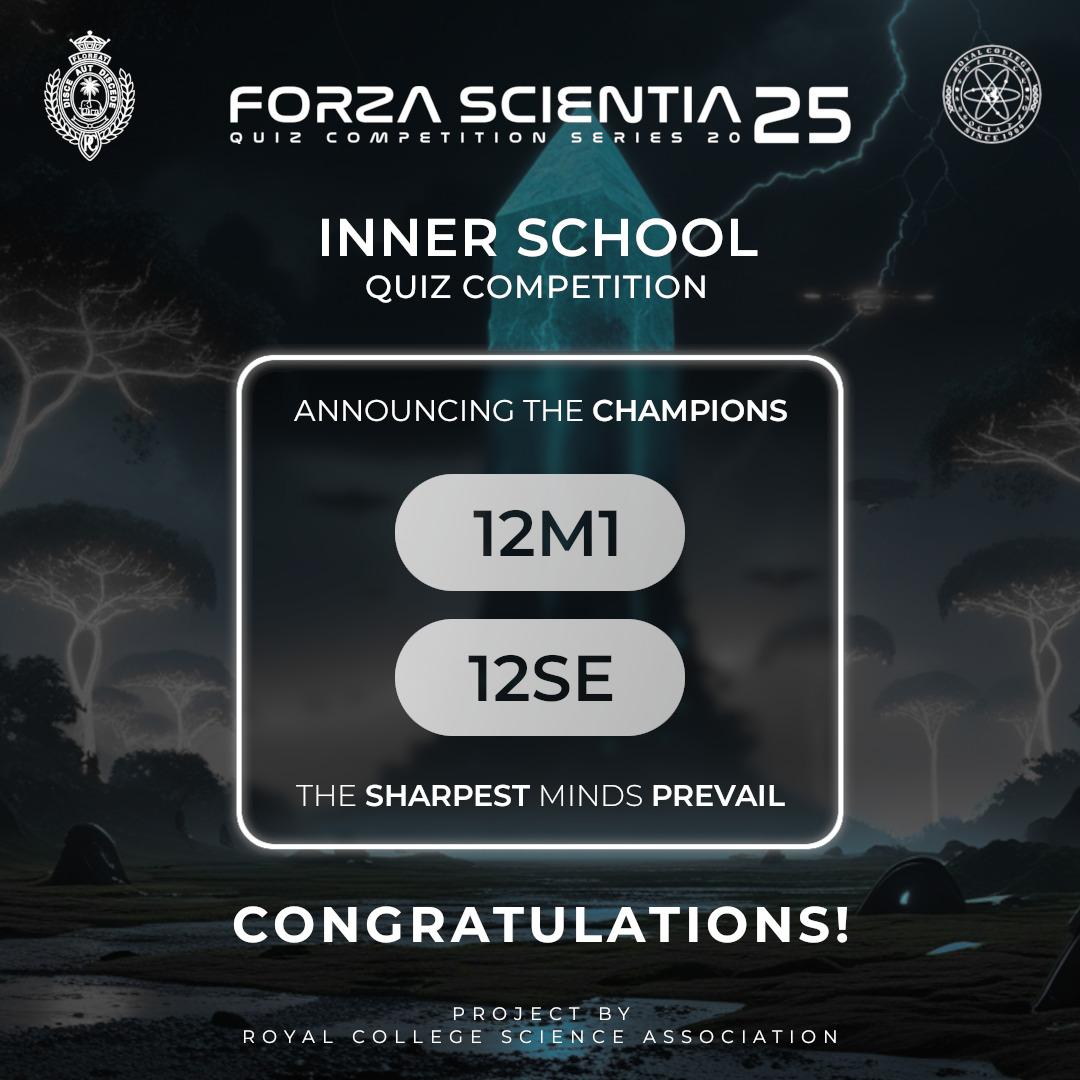
Forza Scientia'25 - Inner School Winners
We are proud to unveil the Winners of the Forza Scientia'25 Inter-Class Advanced Level Quiz Competition, organized by the Royal College Science Association. Congratulations to the outstanding classes that have emerged as Winners of the Advanced Level Section! Mathematics Section - 12M1 Biology Section - 12SE
Field visit to Genetech Lanka
Get ready for a journey into the future of science! The Royal College Science Association proudly presents an educational lecture on Genetics followed by an exclusive field visit to Genetech Sri Lanka, a leading institution in biotechnology and genetic research. Explore. Learn. Experience. Stay tuned for more details!
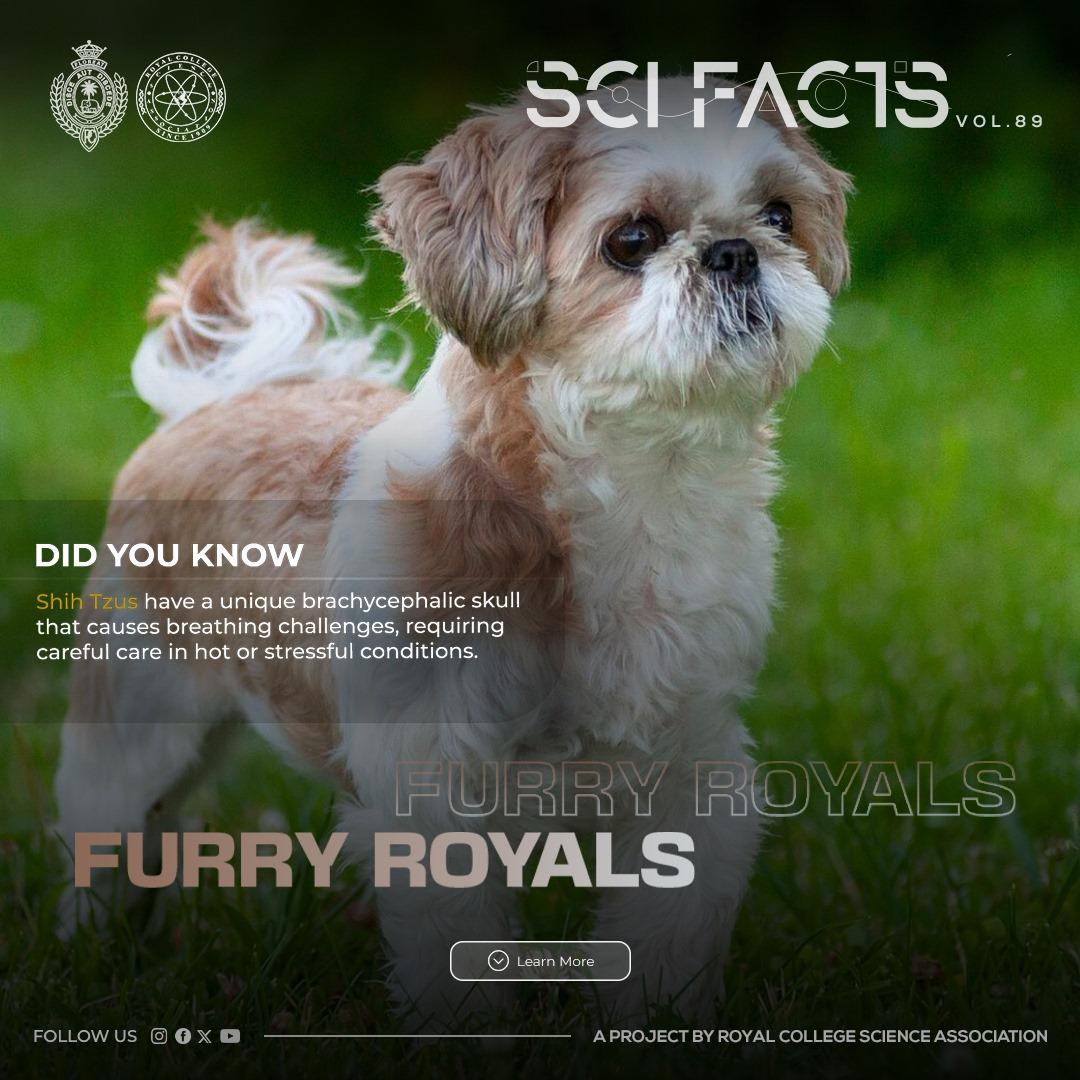
SCI FACTS'25 - Furry Royals
The Shih Tzu is a toy dog breed instantly recognizable for its charming expression, flowing coat, and compact build. One of its defining physical traits is the brachycephalic skull—a shortened, broad skull shape that results in a flat face and short snout. This feature, while central to the breed’s appearance, can cause Brachycephalic Obstructive Airway Syndrome (BOAS), leading to snoring, noisy breathing, exercise intolerance, and difficulty cooling down in warm weather. For this reason, Shih Tzus are particularly prone to heatstroke and should be kept in well-ventilated, cool environments during hot seasons. Their dense double coat is another hallmark. The undercoat provides insulation, while the long outer coat offers protection but also traps heat. This combination means owners must balance grooming with climate care—daily brushing to prevent matting, monthly baths to avoid skin issues, and in warmer climates, trimming to help with temperature regulation. If neglected, the coat can harbor moisture and debris, leading to hot spots, fungal infections, and flea infestations. Shih Tzus typically weigh 4–7.5 kg (9–16 lbs) and stand about 20–28 cm (8–11 inches) at the shoulder. Despite their small stature, they are surprisingly sturdy, with a lifespan of 10–16 years when well cared for. They are generally healthy but can be prone to hip dysplasia, patellar luxation, dental overcrowding, and eye problems such as corneal ulcers and progressive retinal atrophy—largely due to their prominent eyes and short muzzle. Historically, the Shih Tzu’s roots trace back over a thousand years to Tibetan breeding stock gifted to Chinese emperors, where they were refined into palace companions during the Ming and Qing dynasties. They were often kept in silk-draped chambers, featured in imperial art, and bred to be calm, friendly, and people-oriented. The name Shih Tzu translates to "Lion Dog" in Mandarin, reflecting their symbolic association with lions in Buddhist culture. Today, Shih Tzus remain one of the world’s most popular companion breeds. Their combination of royal history, distinctive anatomy, and affectionate nature makes them both scientifically fascinating and culturally iconic.
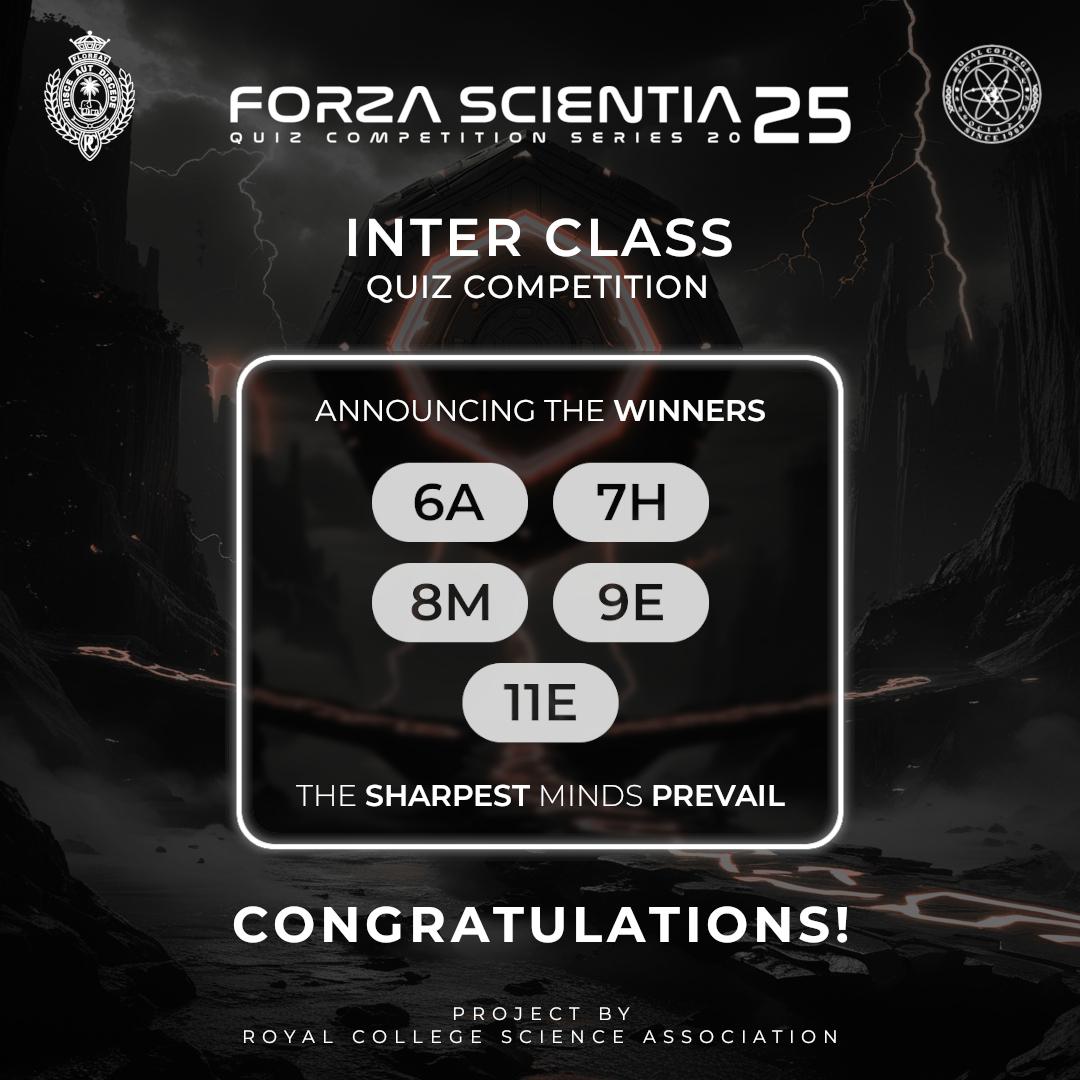
Forza Scientia'25 - Inter Class Winners
We are proud to unveil the Winners of the Forza Scientia'25 Inter-Class Quiz Competition, organized by the Royal College Science Association. Congratulations to the outstanding classes that have emerged as Winners across Grades 6 to 11: Grade 6-A Grade 7-H Grade 8-M Grade 9-E Grade 11-E
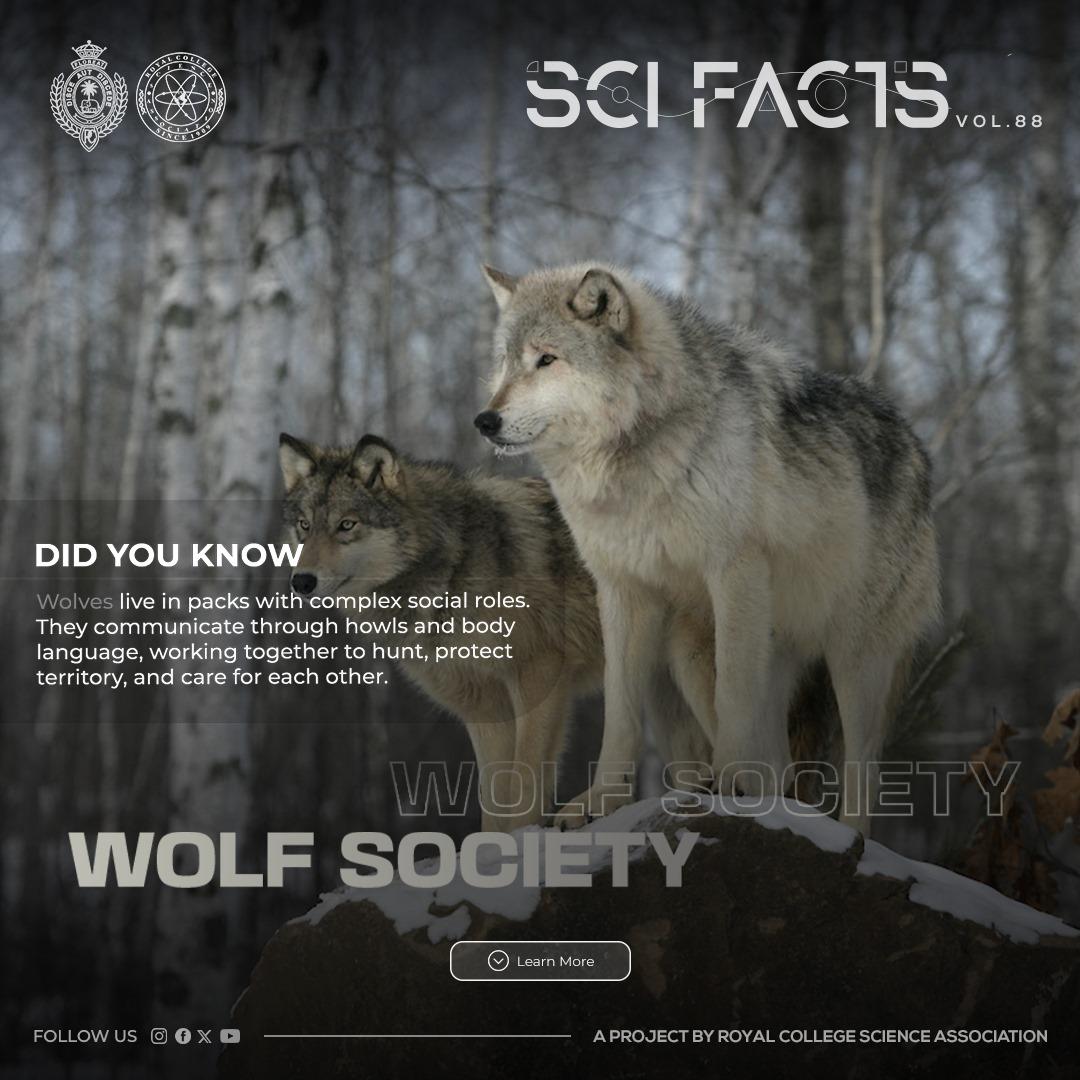
SCI FACTS'25 - Wolf Society
Wolves (Canis lupus) are highly social carnivores known for living and hunting in well-organized packs. These packs usually consist of 6–10 members but can range from just a pair to over 20 individuals, depending on food availability and territory size. At the heart of the pack is a dominant alpha pair—typically the only breeding pair—whose leadership is based not just on strength but also on experience, cooperation, and the ability to maintain harmony within the group. Each wolf plays a specific role that contributes to the pack’s survival. Adult members participate in cooperative hunting, while others guard the territory, care for the pups, or act as scouts. Subordinate wolves may also take on the role of “babysitters” while the alphas are away. This division of labor ensures efficiency, safety, and the nurturing of the next generation. Communication is central to pack life. Wolves use a combination of: Howling – to signal location, rally the pack, or warn rivals. Body language – such as tail position, ear posture, and facial expressions to convey mood or intent. Scent marking – using urine and gland secretions to define territorial boundaries and send reproductive signals. This advanced communication network strengthens social bonds and helps wolves coordinate hunts, especially when targeting large prey like elk, deer, or bison. Wolves often employ strategic hunting tactics, including flanking, chasing, and rotating chasers to exhaust prey. The pack’s teamwork and hierarchy not only improve hunting success but also enhance protection from rival packs, bears, and other threats. By defending a clearly defined territory, wolves secure a stable food source, reduce conflict, and ensure the long-term survival of the group. Historically, wolves once roamed across most of the Northern Hemisphere, but habitat loss and hunting have reduced their range. Today, they remain a symbol of wildness, cooperation, and resilience—a testament to the power of social unity in nature.
SCI FACTS'25 - Desert Sentinels
Meerkats have unique alarm calls for different predators, allowing their group to respond quickly and stay safe in the harsh desert environment. The Vigilant Community Meerkats (Suricata suricatta) are the ultimate examples of desert teamwork. Living in large social groups called "mobs," these highly social animals rely on a sophisticated division of labor to survive in one of the world's most dangerous landscapes. A Language of Survival The meerkat communication system is one of the most advanced in the animal kingdom. They use referential signaling, meaning their calls convey specific information about the type and urgency of a threat: Aerial Alarms: A specific bark or whistle warns the mob of birds of prey, signaling everyone to bolt for the nearest bolthole. Terrestrial Alarms: A different series of chatters alerts the group to land predators like snakes or jackals, often leading the mob to stand together to confront the intruder. Urgency Levels: The pitch and frequency of the call tell the group exactly how much time they have to react. The Sentinel System To allow the rest of the mob to forage safely, one "sentinel" stands guard on a high vantage point. The Sentry Duty: The sentinel constantly scans the sky and horizon, frequently letting out a "watchman’s song" (a steady peep) to let the others know everything is clear. Strategic Teamwork: Sentinels rotate duties throughout the day, ensuring that every member gets time to eat while the group remains protected. Thriving Through Unity This advanced communication network and selfless teamwork are what allow meerkats to thrive in the harsh and dangerous desert. Their ability to share information and act as a single unit is a testament to the power of social unity in nature.
SCI FACTS'25 - Arctic Vision
Reindeer can see ultraviolet light, allowing them to spot predators and food in snowy Arctic environments where normal vision is less effective. Superpowers of the North The Arctic is one of the most visually challenging environments on Earth. To survive, reindeer (Rangifer tarandus) have evolved a biological "superpower" known as UV vision, allowing them to see wavelengths of light that are completely invisible to humans. The Advantage of UV Sight In the high Arctic, the sun remains low on the horizon, creating a world saturated with blue and ultraviolet light. Reindeer use this to their advantage: Predator Detection: Wolf fur and white lichen—a primary food source—absorb UV light, making them appear as dark, high-contrast shapes against the highly reflective snow. Tracking: They can detect urine trails left by rivals or predators, which also stand out clearly in the UV spectrum. Energy Efficiency: This specialized sight allows them to find sparse resources quickly without wasting vital energy during the harsh winter months. The Changing Eye Interestingly, a reindeer's eyes actually change color with the seasons to help them manage light: Golden Summer: Their eyes are gold in the summer to reflect the intense 24-hour sunlight. Deep Blue Winter: In the darkness of winter, their eyes turn a deep, midnight blue. This change increases the sensitivity of the retina, helping them capture as much light (including UV) as possible. A Masterpiece of Adaptation The reindeer’s ability to see into the ultraviolet spectrum is a perfect example of evolutionary adaptation. By perceiving a world hidden to others, they navigate, forage, and survive in one of the most extreme landscapes on the planet—demonstrating that there is always more to the natural world than meets the human eye.
SCI FACTS'25 - Bonded Herds
Cows have best friends and get stressed when separated? They form strong social bonds and show emotions, proving their intelligence and sensitivity like humans. The Social Heart of the Herd Cows are far more than just grazing animals; they are highly social creatures with complex emotional lives. Research into bovine behavior reveals that cows form deep, lasting social bonds with specific members of their herd, often referred to by scientists as "best friends." The Science of Stress and Friendship The strength of these companionships is measurable through physiological and behavioral changes: Emotional Support: Cows prefer to spend the majority of their time with their chosen companions, which helps maintain low stress levels in the herd. Separation Anxiety: When separated from their "best friend," cows exhibit physical signs of distress, including increased heart rates and visible agitation. Recovery: Their heart rates significantly decrease and they return to calm behavior much faster when they are reunited with their specific partner compared to a random herd mate. High Emotional Intelligence These social dynamics prove that cows possess a high level of emotional intelligence. They are capable of: Individual Recognition: Identifying and remembering different individuals within a large group. Empathy: Reacting to the emotional state of their peers, which strengthens the unity of the herd. Long-term Memory: Maintaining these social preferences over several years. A New Perspective on Livestock Understanding the "Bonded Herds" phenomenon highlights the need for compassionate management in agriculture. Recognizing that cows have complex social needs and emotional sensitivities—much like humans—is a testament to the intricate social nature of the animal kingdom.
SCI FACTS'25 - Mood Bugs
Gut microbes like Lactobacillus rhamnosus produce brain chemicals such as serotonin and GABA, improving mood, memory, and reducing anxiety naturally. The Gut-Brain Connection The human gut is often called the "second brain." This is due to the gut-brain axis, a complex communication network where certain microbes—referred to as psychobiotics—directly influence our mental state by producing essential neurotransmitters. Chemical Messengers from Within Specific bacteria are responsible for synthesizing chemicals that regulate how we feel and think: Lactobacillus rhamnosus: Known to modulate the GABA system, which is the brain's primary "calming" neurotransmitter, helping to lower stress and anxiety levels. Bifidobacterium longum: Research suggests this microbe can improve memory performance and help the body manage its physiological response to stress. A New Frontier in Mental Health This powerful link has opened up revolutionary possibilities for medical treatment. Scientists are now investigating how these microbes can be used to treat: Anxiety and Depression: Using targeted probiotics to balance neurotransmitter production naturally. Stress Management: Reducing cortisol levels through gut microbiome optimization. Neurodegenerative Diseases: Exploring how a healthy gut flora might slow the progression of conditions like Alzheimer’s and Parkinson’s. Nurturing Your Inner Ecosystem The "Mood Bugs" discovery highlights that mental health isn't just about the brain—it's about the entire body. By maintaining a diverse and healthy microbiome through proper diet and probiotics, we can support our cognitive function and emotional resilience from the inside out.
SCI FACTS'25 - Medical Microbes
Microbes like Penicillium and Streptomyces produce antibiotics and medicines like insulin, vaccines, and cancer-fighting drugs. Tiny Pharmaceutical Factories Microorganisms are the silent engines behind many of modern medicine’s greatest achievements. From soil-dwelling bacteria to common molds, these tiny organisms produce complex molecules that are essential for fighting global diseases. The Antibiotic Pioneers The history of modern medicine changed forever with the discovery of natural microbial defenses: Penicillium: This mold produces penicillin, the world’s first true antibiotic, which revolutionized the treatment of bacterial infections. Streptomyces: A genus of soil-dwelling bacteria responsible for producing over two-thirds of the world’s naturally derived antibiotics used today. Engineering the Future of Care Beyond natural discovery, scientists now "program" microbes to act as biological factories: Insulin Production: Genetically engineered E. coli bacteria are used to produce high-quality human insulin for diabetic patients. Vaccine Development: Microbes are utilized to grow the proteins needed for life-saving vaccines. Cancer-Fighting Drugs: Certain microbial compounds are being refined to target and destroy cancer cells while leaving healthy tissue untouched. The Pillar of Modern Medicine Without these microorganisms, the majority of the pharmaceutical tools we rely on would not exist. As we continue to advance in biotechnology, these "medical microbes" remain our most important allies in the ongoing quest for human health and longevity.
SCI FACTS'25 - Plastic Eaters
A bacterium discovered at a recycling plant in Japan, Ideonella sakaiensis, has evolved to "eat" PET plastic—the same material used in most water bottles—converting it into energy and harmless organic compounds. Nature’s Newest Evolution For decades, PET (polyethylene terephthalate) was considered non-biodegradable, taking centuries to break down. However, in 2016, scientists isolated Ideonella sakaiensis, a microbe that evolved the rare ability to thrive on a diet of synthetic plastic. The Enzymatic "Super-Duo" This bacterium utilizes a highly specialized two-step process to dismantle plastic at the molecular level: PETase: This first enzyme attaches to the plastic surface and breaks the long polymer chains into smaller fragments called MHET. MHETase: A second enzyme then steps in to further digest these fragments into two harmless building blocks: ethylene glycol and terephthalic acid. The "Super-Enzyme" Breakthrough While the natural process is slow—taking weeks to degrade a thin film—scientists have successfully engineered a "super-enzyme" by fusing PETase and MHETase together. This lab-enhanced version works six times faster and can even handle highly crystalline "hard" plastics found in commercial bottles. A Solution for the Plastic Crisis This discovery is paving the way for a circular plastic economy. Instead of plastic ending up in landfills or oceans, it can be: Biologically Recycled: Broken down into pure monomers to create new, high-quality plastic without using more crude oil. Large-Scale Remediation: Used in industrial waste facilities to safely degrade mountains of plastic waste. Environmental Cleanup: Potentially adapted to clear microplastics from soil and water systems.
SCI FACTS'25 - Power Bugs
Certain bacteria can literally "breathe" electricity. Microbes like Geobacter and Shewanella transfer electrons outside their bodies to metals or electrodes, turning organic waste into a living battery. The Living Battery Power Bugs are specialized bacteria known as exoelectrogens. Unlike most organisms that use oxygen for respiration, these microbes can transfer electrons to external solid surfaces like minerals or electrodes to generate an electric current. How They Generate Power These bacteria have evolved unique "biological wires" and pathways to move electricity: Nanowires: Some species grow hair-like, electrically conductive appendages (conductive pili) that act as tiny wires to reach distant surfaces. Direct Contact: Proteins on the cell's outer membrane (cytochromes) pass electrons directly to a metal surface. Chemical Shuttles: Some microbes, like Shewanella, secrete small molecules called flavins that carry electrons from the cell to an electrode. Microbial Fuel Cells (MFCs) Scientists harness this ability using Microbial Fuel Cells. In these systems, bacteria grow on an anode (negative electrode) and break down organic matter. As they "eat," they release electrons into the circuit, creating a sustainable source of bioelectricity. Revolutionizing the Future This groundbreaking technology offers a "dual-benefit" solution for a greener planet: Waste-to-Energy: Generating power from sewage, brewery waste, or agricultural runoff. Self-Sustaining Systems: Powering remote sensors in the ocean or soil where batteries are hard to replace. Environmental Cleanup: Helping to treat wastewater while simultaneously reducing the energy costs of treatment plants.
SCI FACTS'25 - Water Repellency
Superhydrophobic materials mimic lotus leaves, causing water to bead and roll off, useful in waterproof gear, self-cleaning surfaces, and coatings. The Science of Staying Dry Superhydrophobic materials are engineered with micro- and nano-scale surface structures that trap air. This creates a "cushion" between the surface and the liquid, causing water to bead into spheres and roll off effortlessly. Nature’s Blueprint This technology is directly inspired by the Lotus Effect. In nature, the lotus leaf remains clean and dry despite living in muddy waters because its surface structure naturally repels contaminants and moisture. Real-World Applications The ability to repel water is more than just a novelty; it has revolutionized several industries: Textiles: Creation of waterproof clothing that remains breathable. Infrastructure: Self-cleaning windows and anti-fog coatings for mirrors and lenses. Technology: Advanced protection for electronics against water damage. Maintenance: Increasing the durability of surfaces by preventing corrosion and reducing the need for chemical cleaners. Resilience Through Innovation By harnessing the power of nanotechnology, we can create materials that are more durable, require less maintenance, and perform better in the harshest wet environments. It is a testament to how looking closely at nature can solve complex human engineering challenges.
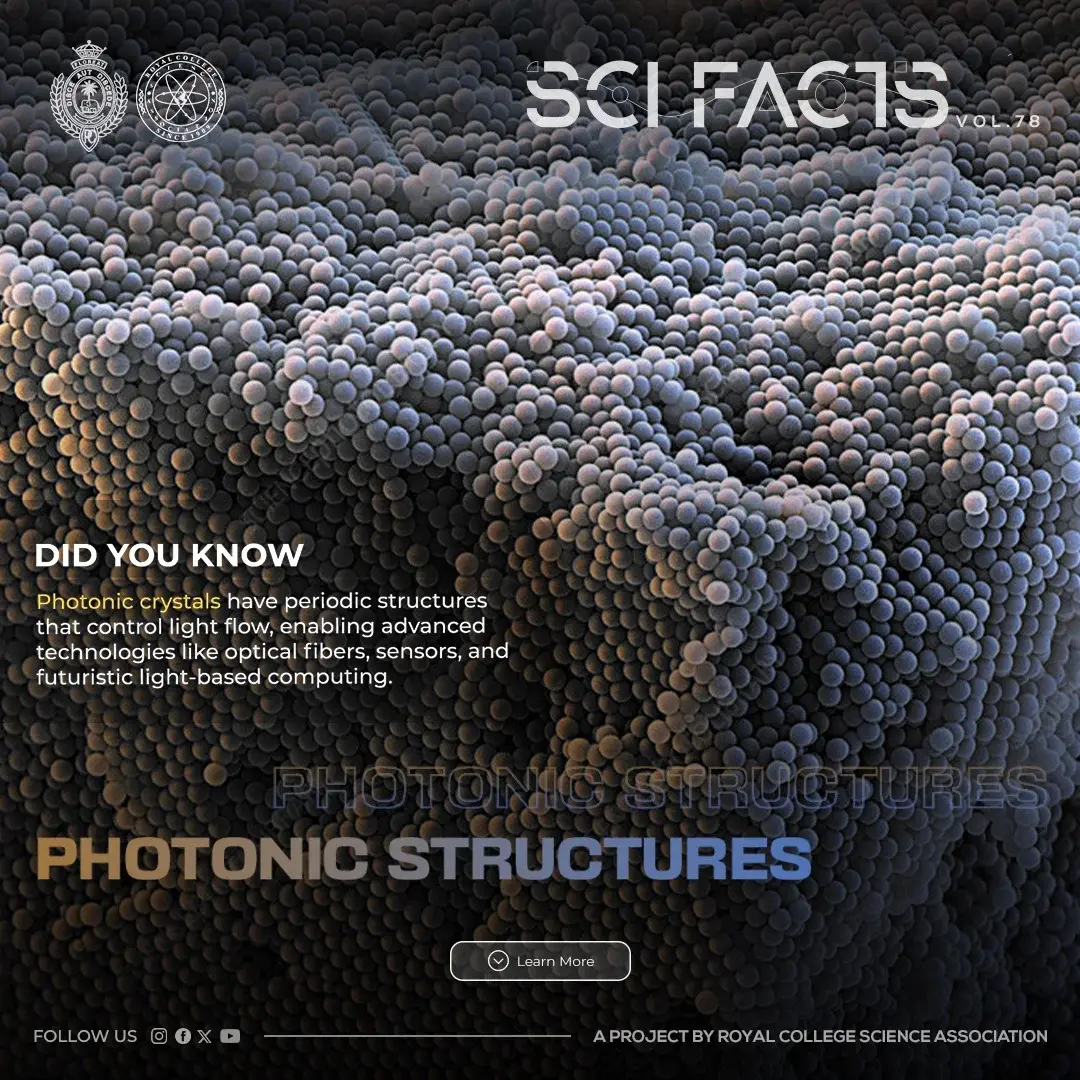
SCI FACTS'25 - Photonic Structures
Photonic crystals are nanostructures that affect the motion of photons (light) in much the same way that semiconductor crystals affect electrons. They feature periodic structures that can block certain "colors" of light while letting others pass through, creating what is known as a photonic bandgap. This precise control over light allows for the creation of ultra-efficient optical fibers and laser systems. By trapping and guiding light with zero loss, photonic structures are the key to the next generation of high-speed internet and telecommunications, moving data at the speed of light with minimal energy. Nature actually discovered photonic crystals long before humans did. The brilliant, shifting colors of butterfly wings, peacock feathers, and opals are not caused by pigments, but by microscopic photonic structures that reflect specific wavelengths of light. This is known as "structural color." In the future, these structures could lead to light-based computing, where photons replace electrons in our processors. This would result in computers that are thousands of times faster and more energy-efficient than anything we have today, truly ushering in the "Age of Light."
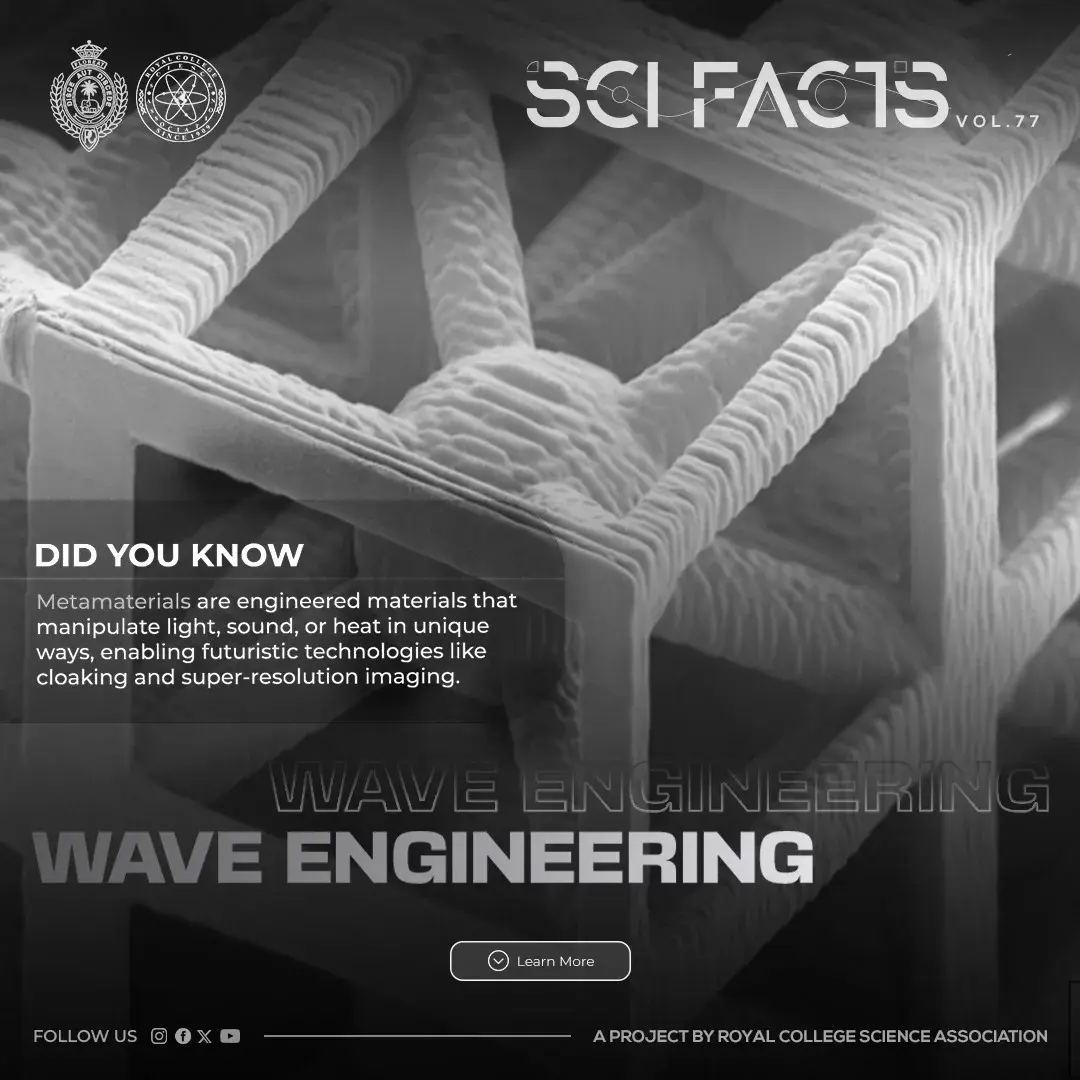
SCI FACTS'25 - Wave Engineering
Metamaterials are artificial structures engineered to have properties that are not found in naturally occurring materials. Unlike traditional substances, which get their properties from their chemistry, metamaterials get their power from their geometry. They are designed with repeating patterns that are smaller than the wavelength of the energy they manipulate. By carefully engineering these patterns, scientists can "bend" waves of light, sound, or heat in ways that were previously thought to be impossible. This field, known as wave engineering, allows us to create materials with a negative refractive index, essentially making waves flow around an object like water around a smooth stone. The most famous application of this technology is the invisibility cloak. While we are still far from a "Harry Potter" style garment, metamaterials are already being used to create "cloaks" that hide objects from radar or sonar. They are also used to create super-lenses that can see objects smaller than the wavelength of light. Beyond cloaking, metamaterials are being used to create acoustic shields that can block sound in specific directions or "thermal cloaks" that redirect heat. They represent a fundamental shift in physics, where we no longer just use the materials nature gives us, but design our own from the ground up.
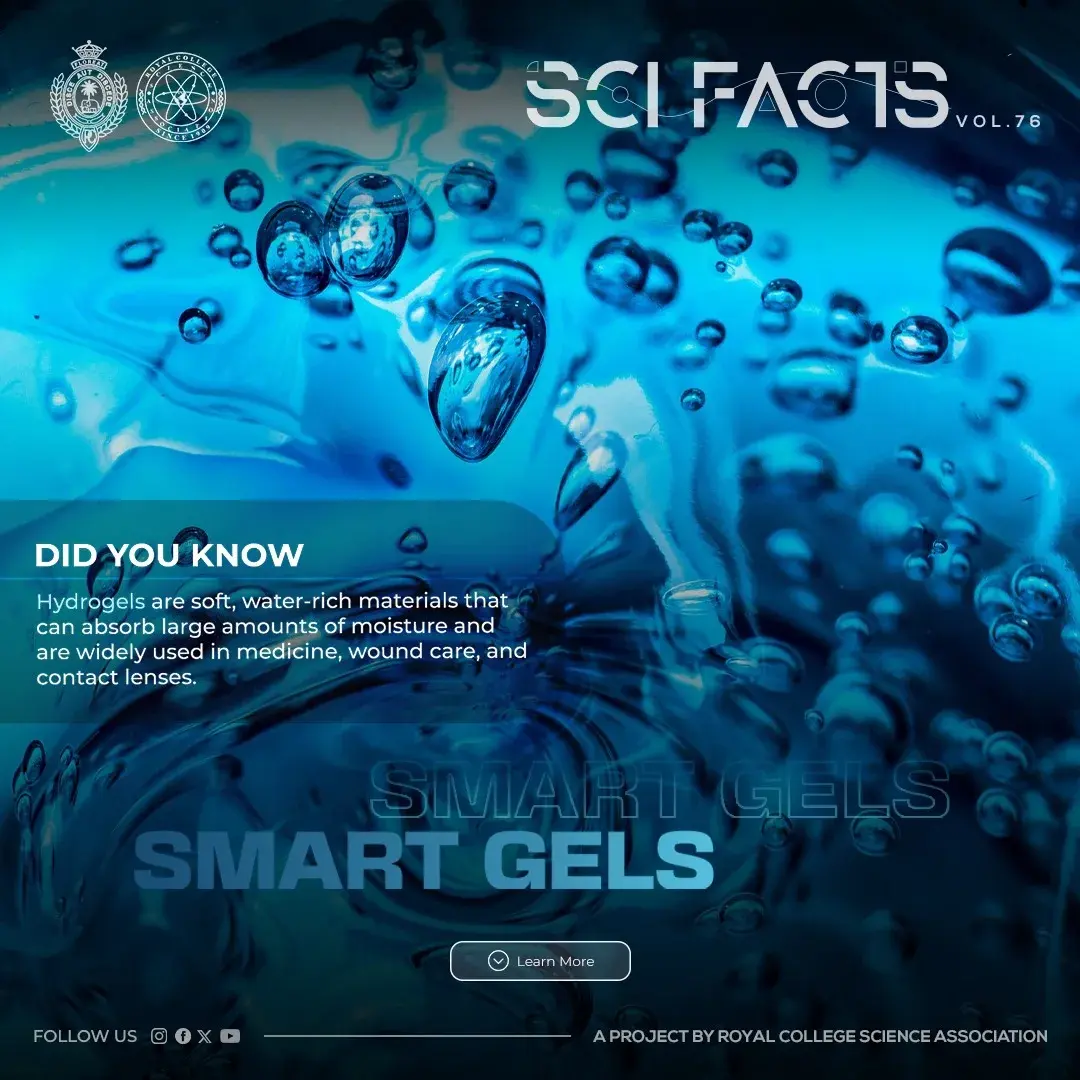
SCI FACTS'25 - Smart Gels
Hydrogels are unique materials composed of a network of polymer chains that are highly hydrophilic (water-loving). They have the extraordinary ability to absorb and retain massive amounts of water—sometimes thousands of times their own dry weight—without dissolving. Because they are soft and water-rich, hydrogels closely mimic the physical properties of biological tissues. This makes them ideal for medical applications, such as advanced wound dressings that keep the skin hydrated while absorbing excess fluids, or "scaffolds" that help new cells grow into damaged organs. You likely interact with hydrogels every day without realizing it. They are the primary material used in soft contact lenses, providing the oxygen permeability and moisture needed for eye comfort. They are also the "magic" ingredient in disposable diapers that allows them to hold liquid so effectively. Researchers are currently developing "smart" hydrogels that can change their shape or release medicine in response to specific triggers, such as changes in pH or temperature. These materials are paving the way for targeted drug delivery systems that only activate when the body truly needs them.
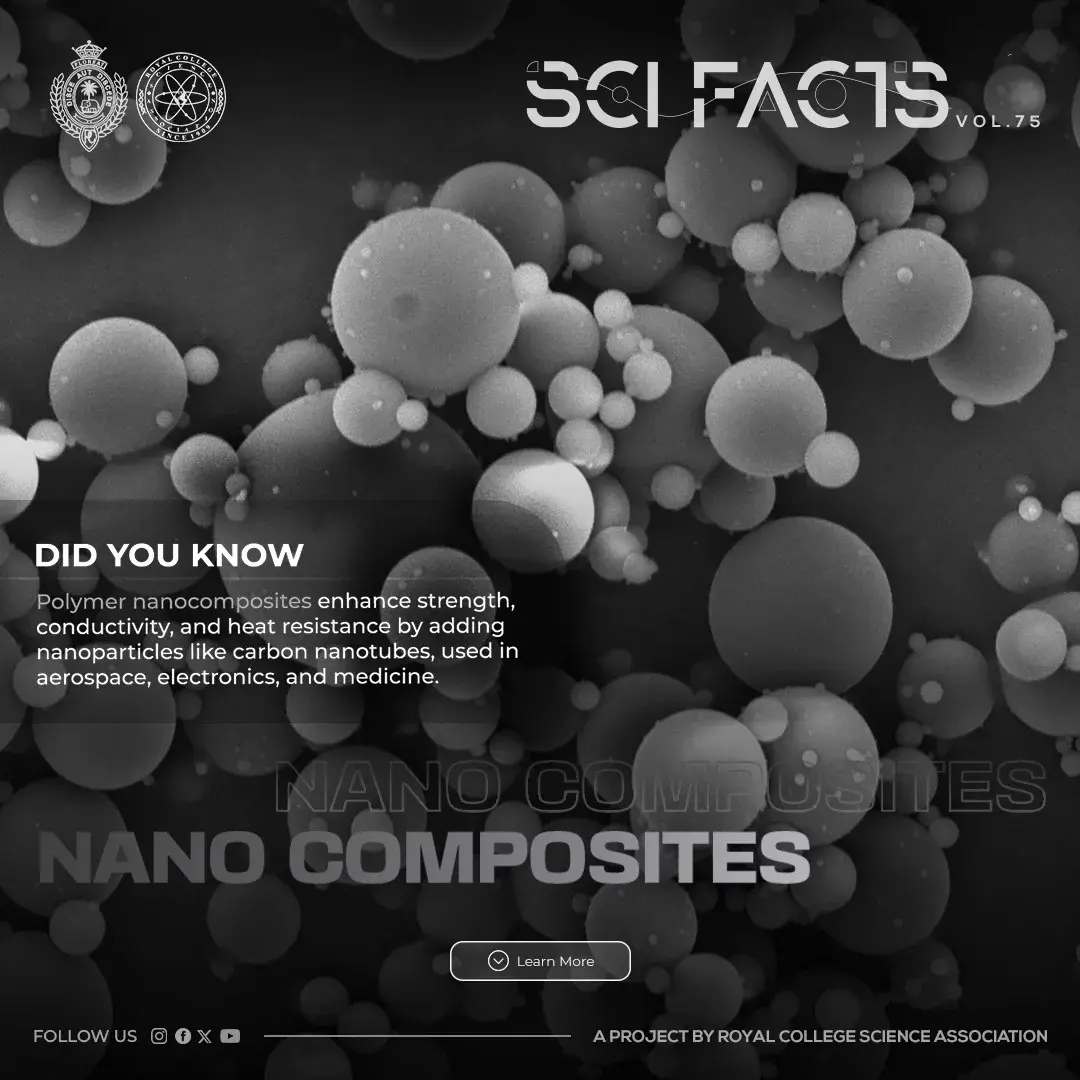
SCI FACTS'25 - Nano Composites
Polymer nanocomposites are advanced materials created by embedding tiny nanoparticles—such as carbon nanotubes or graphene—into a traditional plastic or resin. Even at microscopic concentrations, these "fillers" can radically improve the host material's strength, electrical conductivity, and heat resistance. The power of these materials lies in the surface area of the nanoparticles. Because they are so small, they create a massive amount of contact area with the polymer chains, allowing for a much more efficient transfer of stress and energy throughout the material. This results in a composite that is far tougher than the sum of its parts. These composites are essential in the aerospace and automotive industries, where engineers are constantly looking for ways to make vehicles lighter without sacrificing safety. By using nanocomposites, manufacturers can create car parts that are lighter than aluminum but as strong as high-grade steel. In the electronics sector, adding conductive nanoparticles allows plastics to bleed off static electricity or even act as sensors. Nanocomposites represent the next frontier of manufacturing, where we can "tune" the properties of our materials at the atomic level to meet the demands of futuristic technology.

SCI FACTS'25 - Metal Mastery
Titanium is a chemical element with the symbol Ti and atomic number 22. It is renowned in the engineering world for having the highest strength-to-weight ratio of any natural metal. While it is as strong as steel, it is nearly 45% lighter, making it the premier choice for high-performance applications. Beyond its physical strength, titanium is incredibly corrosion-resistant. It can withstand the harsh environments of the open ocean and the extreme chemical exposures of industrial processing without degrading. This longevity is due to a thin, protective layer of oxide that forms spontaneously on its surface when exposed to air. Because it is biocompatible, meaning the human body does not reject it, titanium is the gold standard for medical implants. It is used extensively for joint replacements, dental implants, and bone screws, often allowing for "osseointegration" where the bone actually grows into and bonds with the metal. In the realm of aerospace and sports, titanium's durability and heat resistance allow it to function in jet engines and high-end racing equipment. Whether it is exploring the deep sea or orbiting the Earth, this "space-age" metal is essential for pushing the boundaries of human exploration and technology.
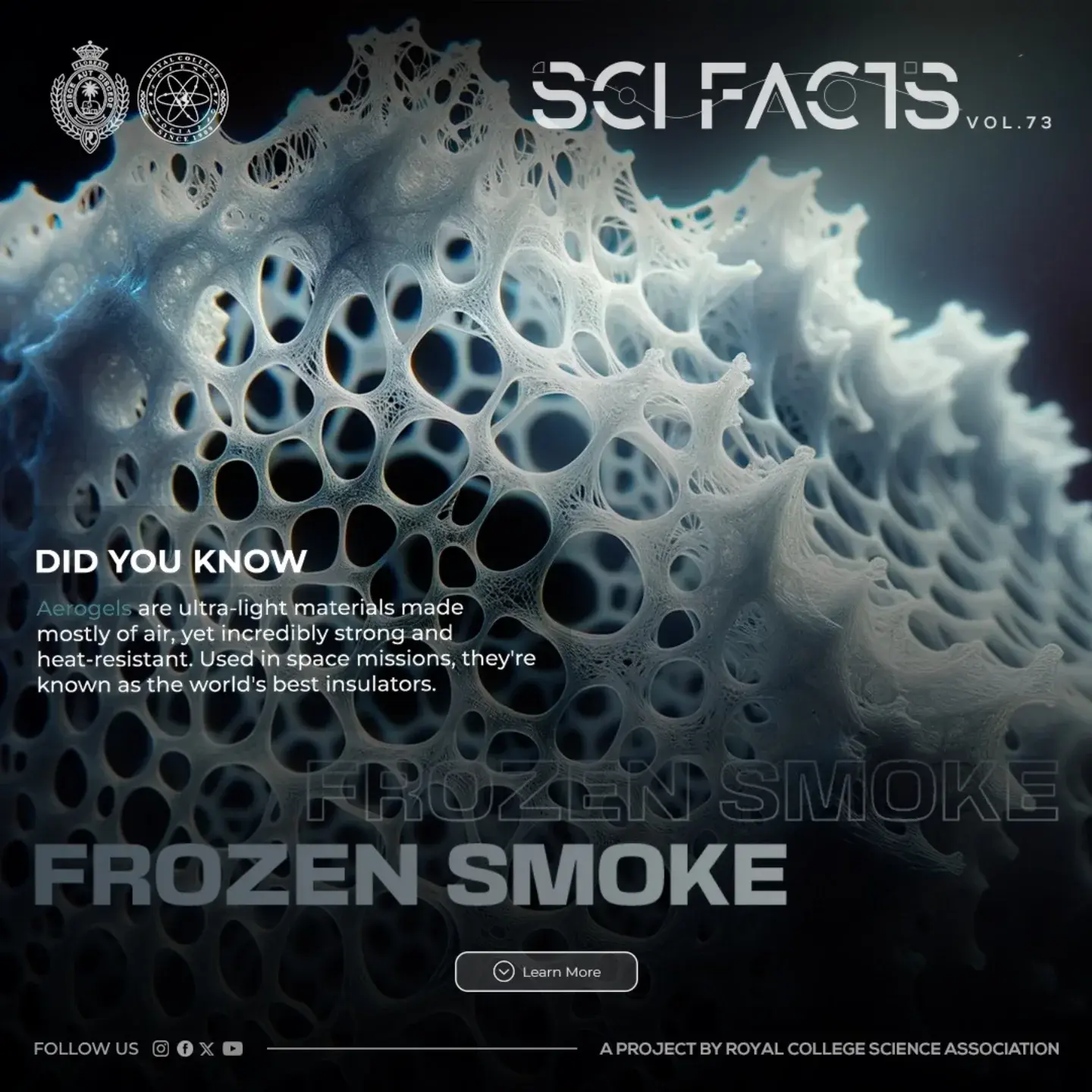
SCI FACTS'25 - Frozen Smoke
Aerogels are among the world's lightest solid materials. They are created by removing the liquid component from a gel through a process called supercritical drying, leaving behind a solid structure that is up to 99.8% air. Despite their ghostly appearance, they are surprisingly strong. Aerogels are world-record holders in thermal insulation. Because they are mostly air and have a highly porous structure, it is almost impossible for heat to pass through them. You can place a flower on a piece of aerogel and blast the bottom with a blowtorch; the flower will remain perfectly unharmed and cool. Because of these properties, NASA uses aerogels to insulate Mars rovers and to "catch" stardust from passing comets. The material is strong enough to stop a high-speed particle without damaging it, yet light enough to be launched into deep space without adding significant weight to the spacecraft. In the future, aerogels may be used in sustainable architecture to create ultra-efficient home insulation. As we look for ways to reduce energy consumption, these "frozen smoke" structures offer a high-tech solution to keeping our buildings warm or cool with minimal environmental impact.
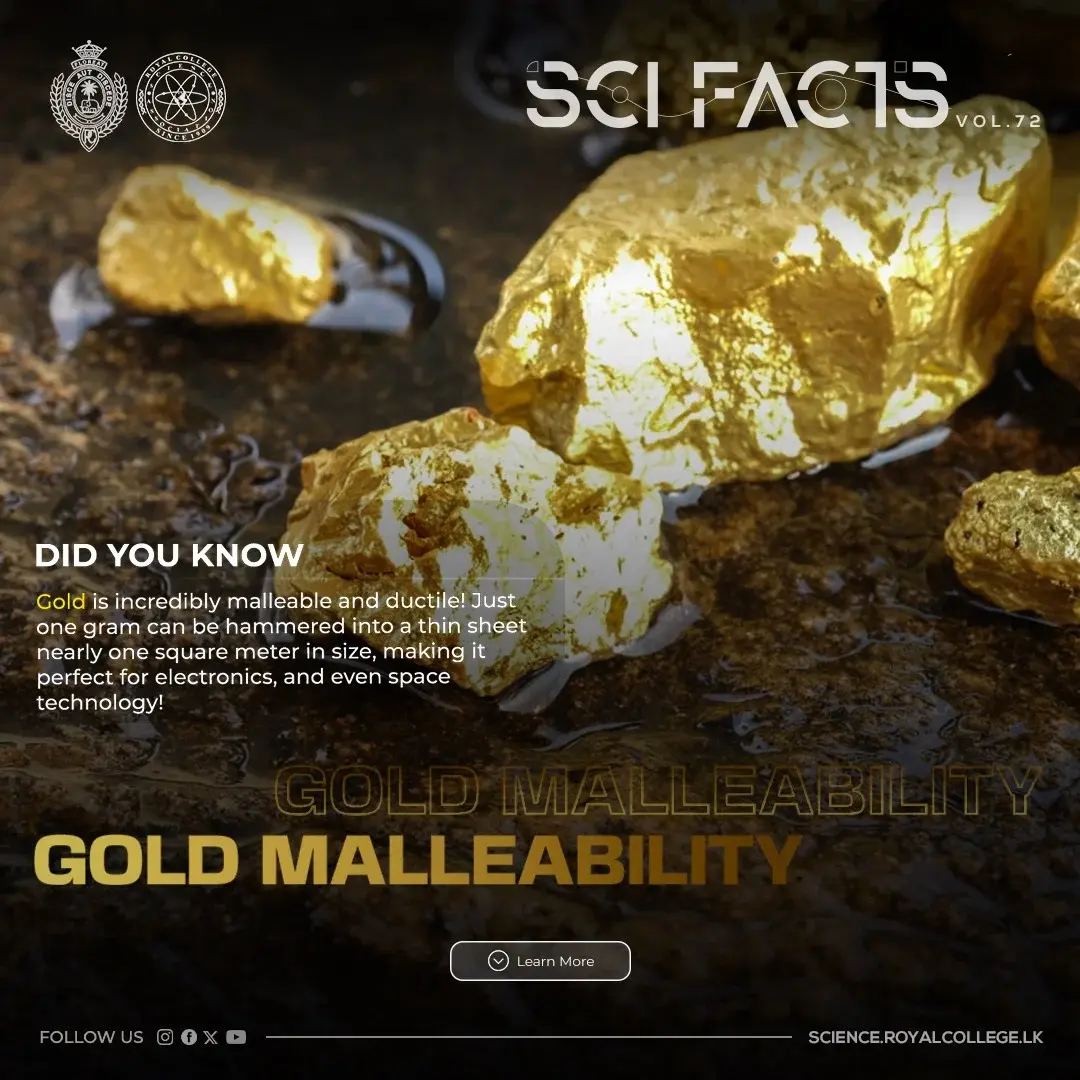
SCI FACTS'25 - Gold Malleability
Gold is one of the most remarkable elements on the periodic table, primarily due to its extreme malleability and ductility. These properties mean that gold can be hammered into incredibly thin sheets—so thin that a single gram can cover nearly one square meter—or drawn into microscopic wires without snapping. In addition to its physical flexibility, gold is a superior conductor of electricity. Unlike silver or copper, gold does not tarnish or corrode when exposed to air or moisture. This ensures that electrical connections remain reliable and high-speed over long periods, which is critical for the microprocessors found in your phone and computer. This reliability makes gold indispensable for space technology. It is often used as a reflective coating on satellites and astronaut visors to shield them from intense solar radiation and infrared heat. Without the protective and conductive properties of gold, much of our modern electronic and space infrastructure would fail. Historically prized for its beauty, gold’s true value today lies in its industrial utility. From the connectors on your motherboard to the shielding on a Mars rover, this yellow metal is a cornerstone of modern scientific progress and high-tech manufacturing.
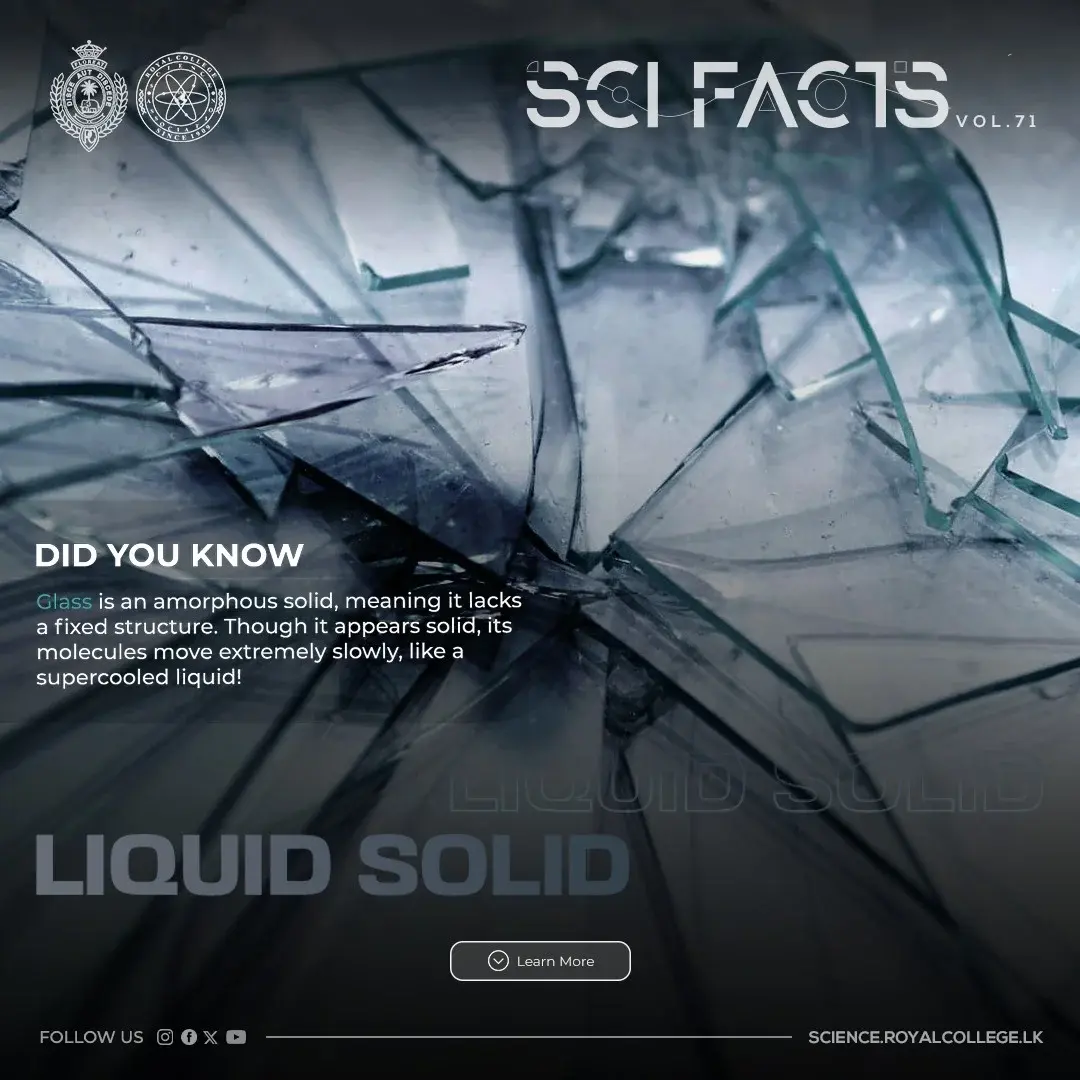
SCI FACTS'25 - Liquid Solid
Glass is a scientific anomaly known as an amorphous solid. Unlike most solids, which possess a highly organized crystalline structure, glass lacks a fixed arrangement of atoms. This means that at a molecular level, its structure more closely resembles a liquid than a typical solid, which is why scientists often describe it as a supercooled liquid. Because its molecules are so disordered, they move at an incredibly slow rate—so slow that the movement is imperceptible over a human lifetime. This led to the popular myth that old window panes are thicker at the bottom because they "flowed" over centuries; however, that is simply due to historical manufacturing techniques. The transparency and durability of glass make it indispensable to modern technology. Its unique atomic disorder allows it to be molded into complex shapes at high temperatures, which then "freeze" into place as it cools, creating the versatile material we use in everything from chemistry beakers to smartphone screens. Understanding the viscosity and molecular behavior of glass remains a major area of research in materials science. By manipulating its cooling rate and chemical composition, engineers can create specialized glasses that are either incredibly flexible or strong enough to withstand immense pressure.
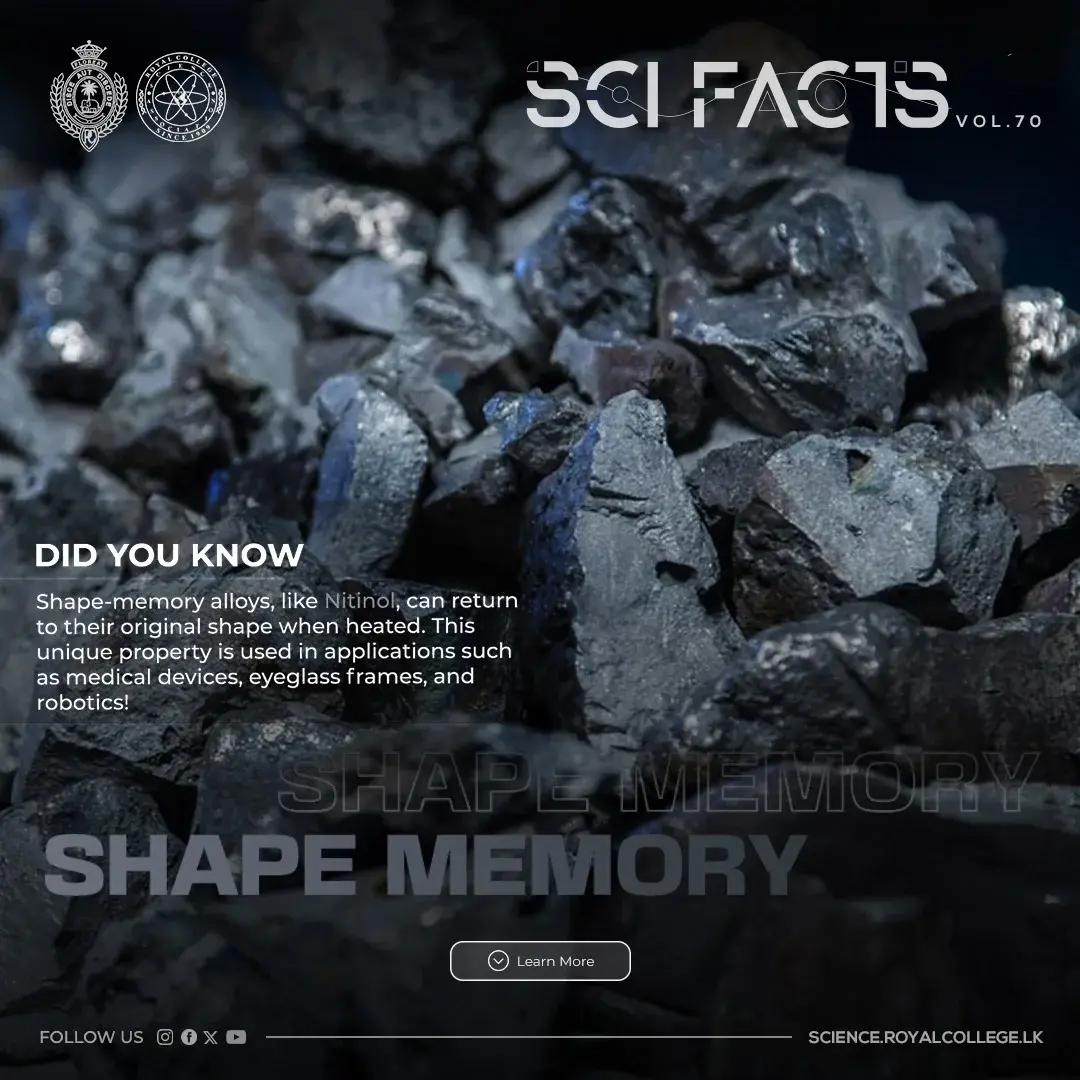
SCI FACTS'25 - Shape Memory
Shape-memory alloys (SMAs), such as Nitinol (a combination of nickel and titanium), possess the "magical" ability to return to a pre-defined shape when heated. This phenomenon is known as the shape-memory effect, and it occurs because the metal can exist in two different crystalline phases depending on its temperature. At lower temperatures, the alloy is in a flexible state called martensite, allowing it to be easily bent or deformed. However, once heat is applied, the atoms rearrange themselves into a rigid, original structure called austenite. This transition is so powerful that the metal can actually perform mechanical work as it returns to its "remembered" shape. This technology has revolutionized the medical field, particularly in the creation of stents. A Nitinol stent can be compressed into a tiny tube, inserted into a clogged artery, and then "remembered" to expand to its full size once it reaches body temperature, keeping the artery open and saving lives. Beyond medicine, shape-memory alloys are used in robotics, eyeglass frames that "pop" back into shape, and even aerospace actuators. These materials represent a move toward smart materials that can react intelligently to their environment without the need for complex motors or sensors.
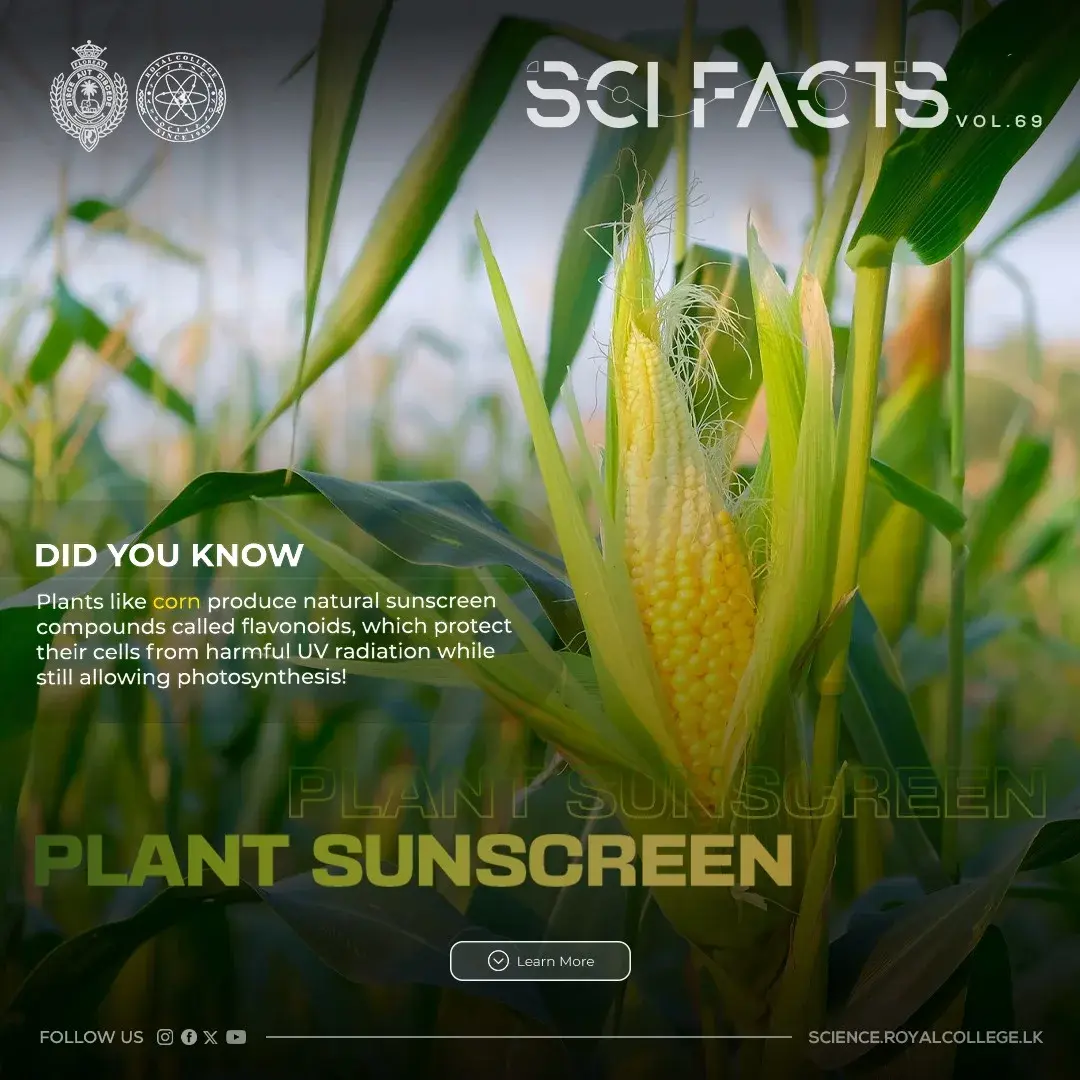
SCI FACTS'25 - Plant Sunscreen
Plants like corn are constantly exposed to the sun, which provides energy but also carries harmful ultraviolet (UV) radiation. To survive this constant bombardment, these plants produce natural sunscreen compounds known as flavonoids. These molecules are strategically placed within the plant's cells to act as a primary layer of defense. The scientific brilliance of flavonoids lies in their selective absorption. They are designed to shield the plant's cells from damaging UV radiation while still allowing the specific wavelengths of light necessary for photosynthesis to pass through. This ensures the plant stays protected without sacrificing its ability to produce food. Without these compounds, UV radiation could cause significant cellular damage, leading to mutations or a breakdown in the plant's metabolic processes. By filtering out the "bad" light, flavonoids maintain the genetic integrity of the plant and its overall health, even in the most intense solar exposure. This biological adaptation is a testament to the evolutionary history of land plants. As they moved from water to sun-drenched land, developing plant sunscreen was essential for survival. It is a high-tech chemical solution found right in the middle of a common cornfield.
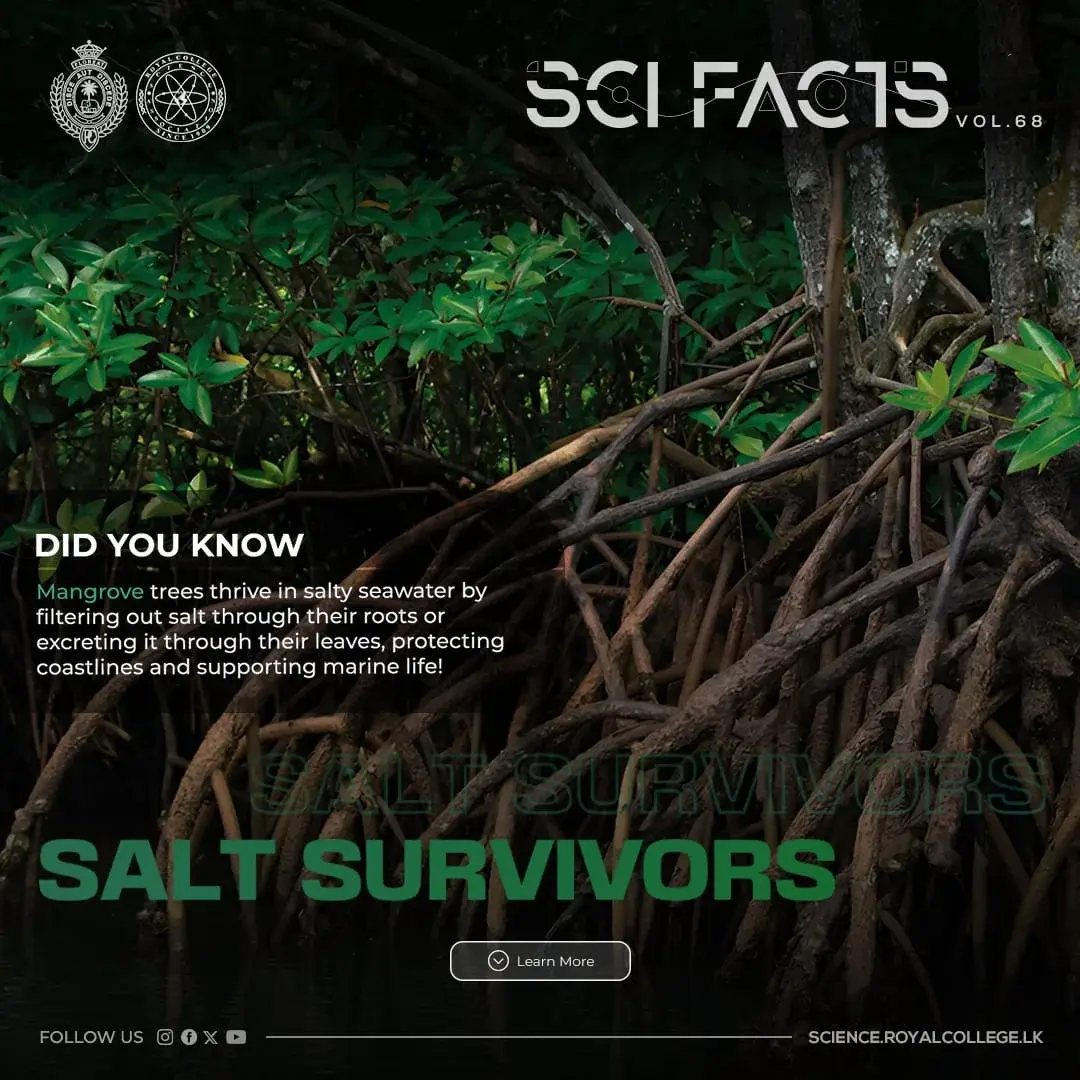
SCI FACTS'25 - Salt Survivors
Mangrove trees are ecological marvels that thrive in salty seawater, an environment that would be fatal to most other tree species. They have evolved specialized physiological traits that allow them to inhabit the intertidal zone, where the land meets the sea. Their survival is a masterclass in biological filtration. One of their primary survival tactics is a sophisticated root filtration system. Mangroves can filter out a significant portion of the salt from the water before it even enters the plant's vascular system. This ensures that the water reaching the trunk and leaves is fresh enough to support life. For the salt that does make it inside, many mangroves use a process of excretion. They transport the salt to their leaves, where specialized glands "sweat" the salt out, often leaving visible crystals on the leaf surface. This constant removal of salt prevents the internal tissues from reaching toxic levels. Beyond their own survival, these salt survivors play a critical role in protecting our coastlines. Their dense root systems buffer against storm surges and prevent erosion, while providing a unique nursery for countless marine species. They are the true guardians of the coast.
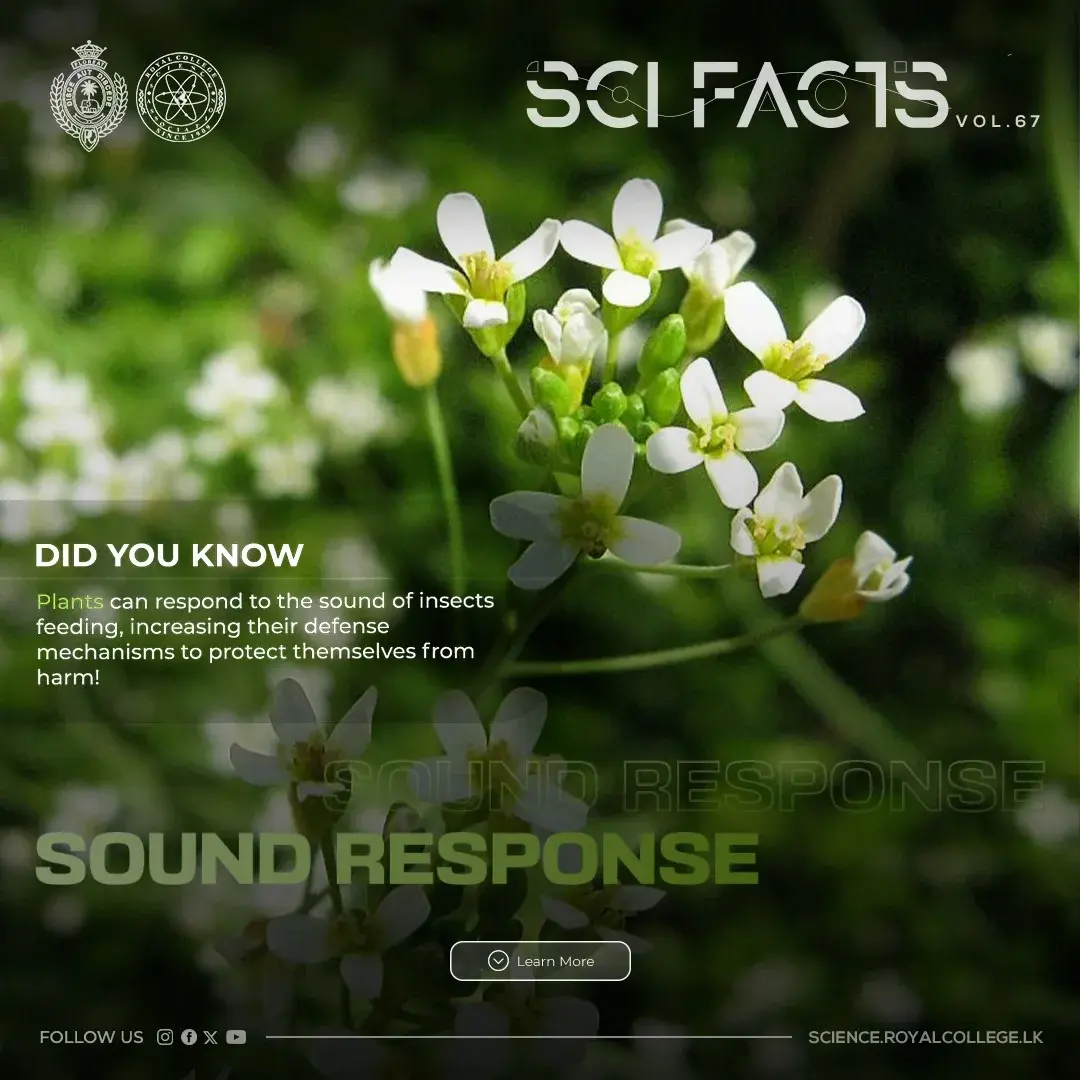
SCI FACTS'25 - Sound Response
While plants lack traditional ears, they are remarkably sensitive to acoustic energy in their environment. Scientific studies have shown that plants can differentiate between the "acoustic signatures" of wind or water and the specific frequency of an insect chewing on a leaf. This ability to perceive physical vibrations allows them to monitor their surroundings in a way that was previously thought impossible for non-sentient life. When a plant detects the specific vibration of a feeding insect, it initiates a systemic defense response. This isn't just a local reaction; the entire plant begins to prepare for an attack. By "hearing" the threat before the predator moves to a new leaf, the plant gains a crucial head start in its survival strategy. The primary defense mechanism involves increasing the production of chemical compounds, such as glucosinolates or volatiles. These chemicals serve to protect the plant by making the leaves taste bitter or even becoming toxic to the herbivore. This chemical warfare is a direct result of the plant’s ability to process sound-based stimuli. This discovery highlights the complexity of plant communication. It suggests that plants are active participants in their ecosystems, using sound response to anticipate danger and deploy protective measures.
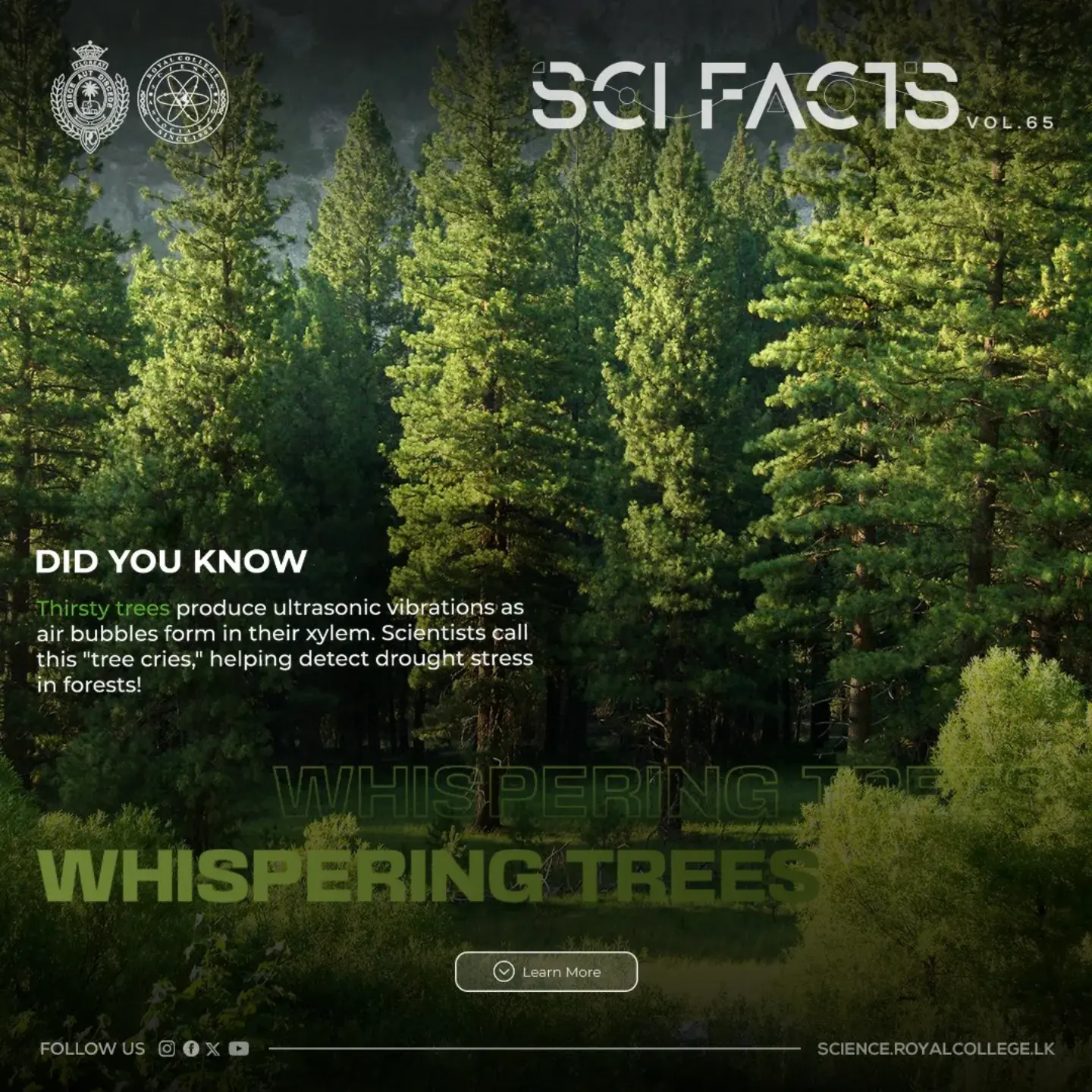
SCI FACTS'25 - Whispering Trees
In the heart of a forest, "thirsty" trees produce sounds that are far too high for the human ear to detect. Scientists have discovered that as trees lose water during a drought, they produce ultrasonic vibrations. These sounds are not vocalizations but rather the result of a physical process called cavitation. The process occurs within the xylem, the specialized tissue that transports water from the roots to the leaves. When a tree is stressed by a lack of water, air bubbles form and pop within the xylem tubes. These microscopic "snaps" create the ultrasonic vibrations that researchers refer to as tree cries. By using specialized acoustic sensors, scientists can now "listen" to the forest to detect drought stress early. This technology allows for better forest management and helps experts understand which areas are most at risk of dying off due to climate change or localized water shortages. This phenomenon, known as Whispering Trees, changes our perception of a forest as a silent place. It reveals a hidden world of mechanical sounds that provide a direct window into the health and hydration of some of the Earth's most important ecosystems.
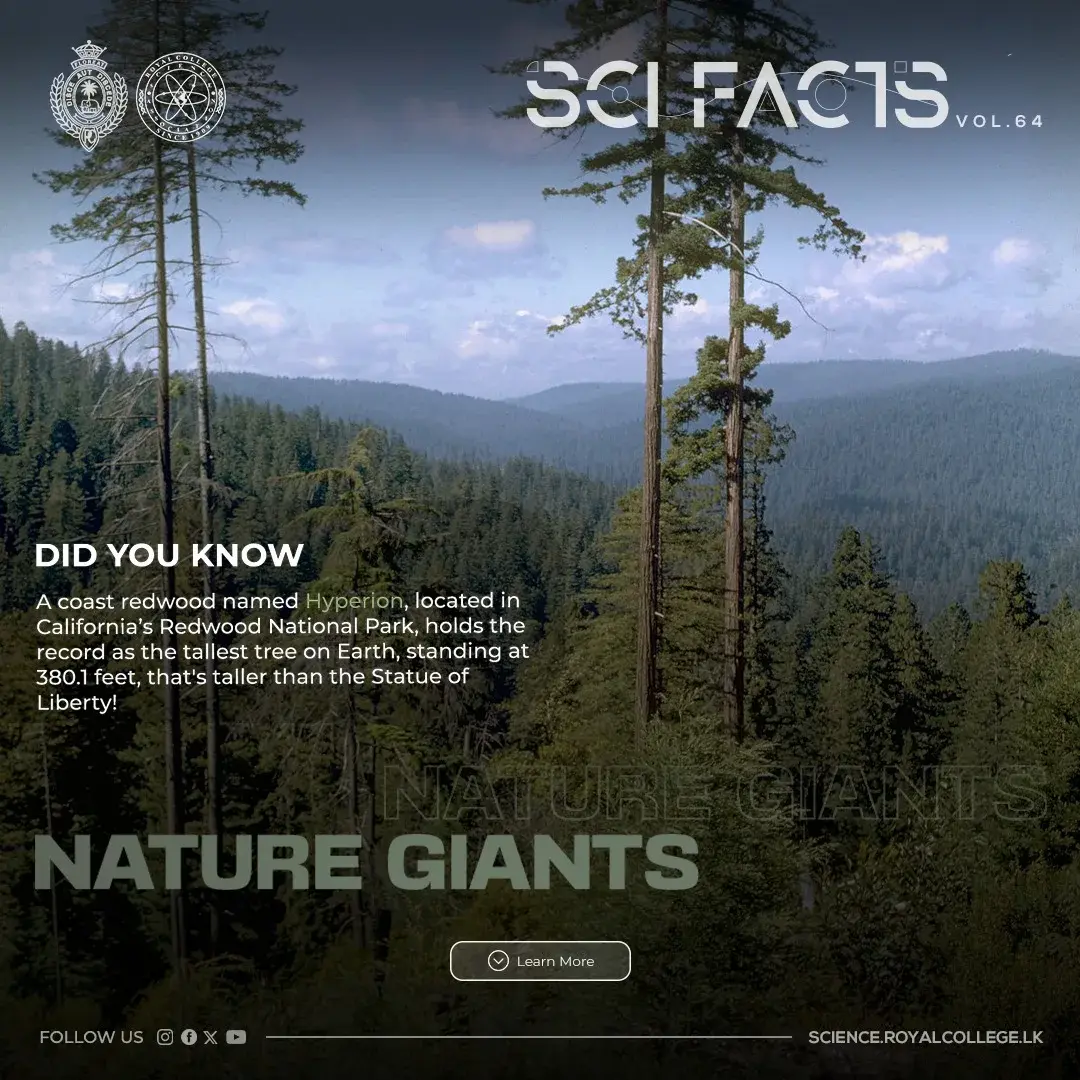
SCI FACTS'25 - Nature Giants
In the coastal forests of California, the redwood known as Hyperion holds the record for the tallest tree on Earth. Standing at a massive 380.1 feet, it is significantly taller than the Statue of Liberty. This height is the result of centuries of growth in a perfect, fog-shrouded climate. To reach such heights, redwoods like Hyperion have evolved to overcome the immense challenge of gravity. They use a combination of transpiration pull and the cohesive properties of water to pull moisture from the ground. Additionally, they can absorb moisture directly from the coastal fog through their needles. These nature giants create their own microecosystems. The tops of these trees are so far from the ground that they host unique plants and animals that never touch the forest floor. Their massive trunks also act as incredible carbon sinks, sequestering more carbon than almost any other forest type. Hyperion is more than just a record-breaker; it is a symbol of the majesty of old-growth forests. Protecting these giants is essential for biodiversity and for maintaining the delicate balance of our planet's atmosphere.
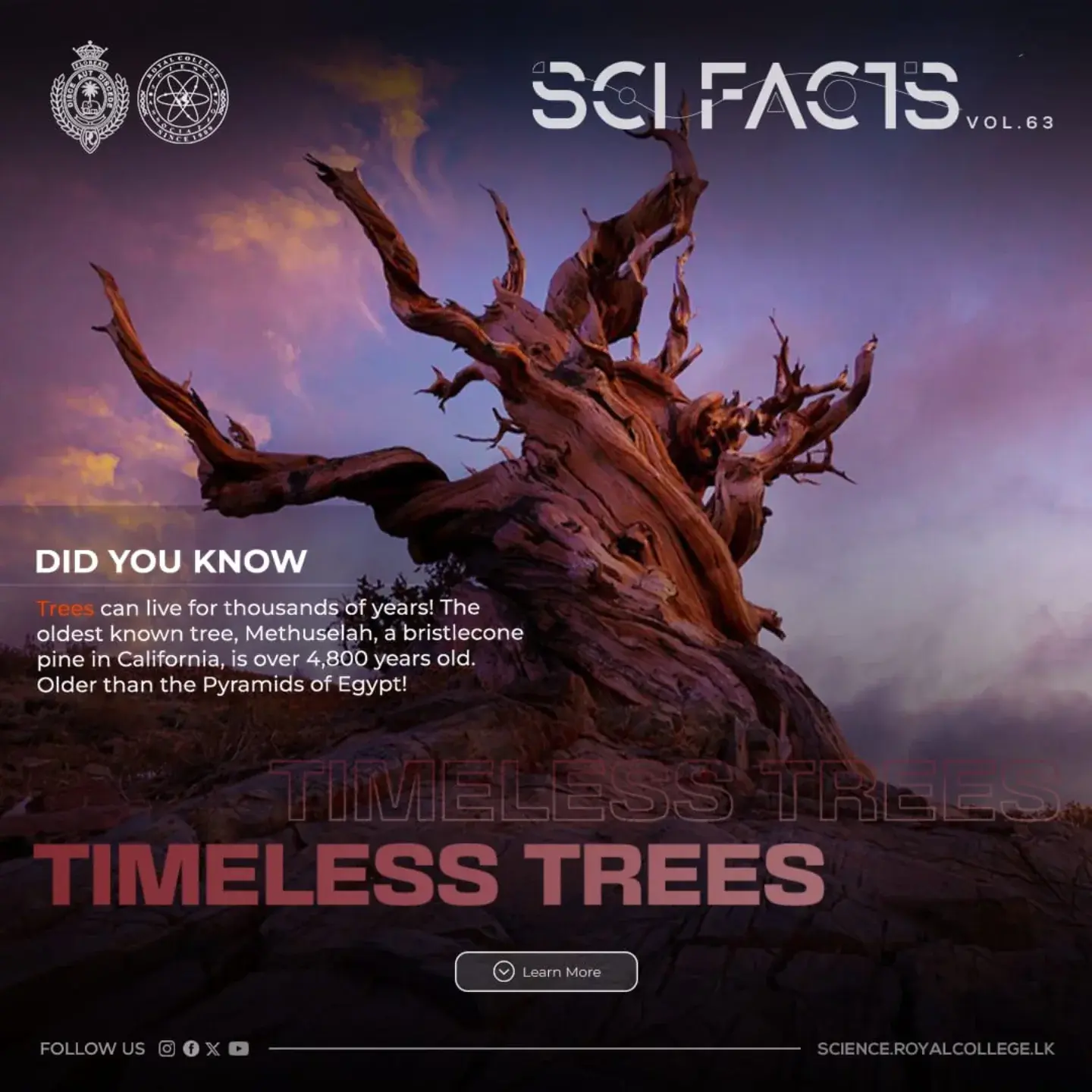
SCI FACTS'25 - Timeless Trees
Trees are among the longest-lived organisms on the planet, with some individuals surviving for thousands of years. The most famous example is Methuselah, a Great Basin bristlecone pine (Pinus longaeva) located in California. This incredible tree is over 4,800 years old, meaning it was already ancient when the Pyramids of Egypt were built. The secret to such longevity lies in the tree's slow growth and the harsh environment it inhabits. Bristlecone pines grow in cold, dry, high-altitude regions where pests and fungi struggle to survive. Their wood is extremely dense and resinous, making it nearly "rot-proof" over many centuries. These timeless trees are biological record-keepers. By analyzing their growth rings, scientists can look back through history to understand ancient weather patterns, droughts, and even volcanic eruptions. Each ring is a chapter in the history of the Earth's climate. Standing as a testament to resilience, Methuselah and its kin show us that life can endure through millennia if it adapts perfectly to its environment. They remind us of the vast scale of time and the incredible endurance of the natural world.