SCI FACTS'25 - Plant Sunscreen
Plants like corn are constantly exposed to the sun, which provides energy but also carries harmful ultraviolet (UV) radiation. To survive this constant bombardment, these plants produce natural sunscreen compounds known as flavonoids. These molecules are strategically placed within the plant's cells to act as a primary layer of defense.
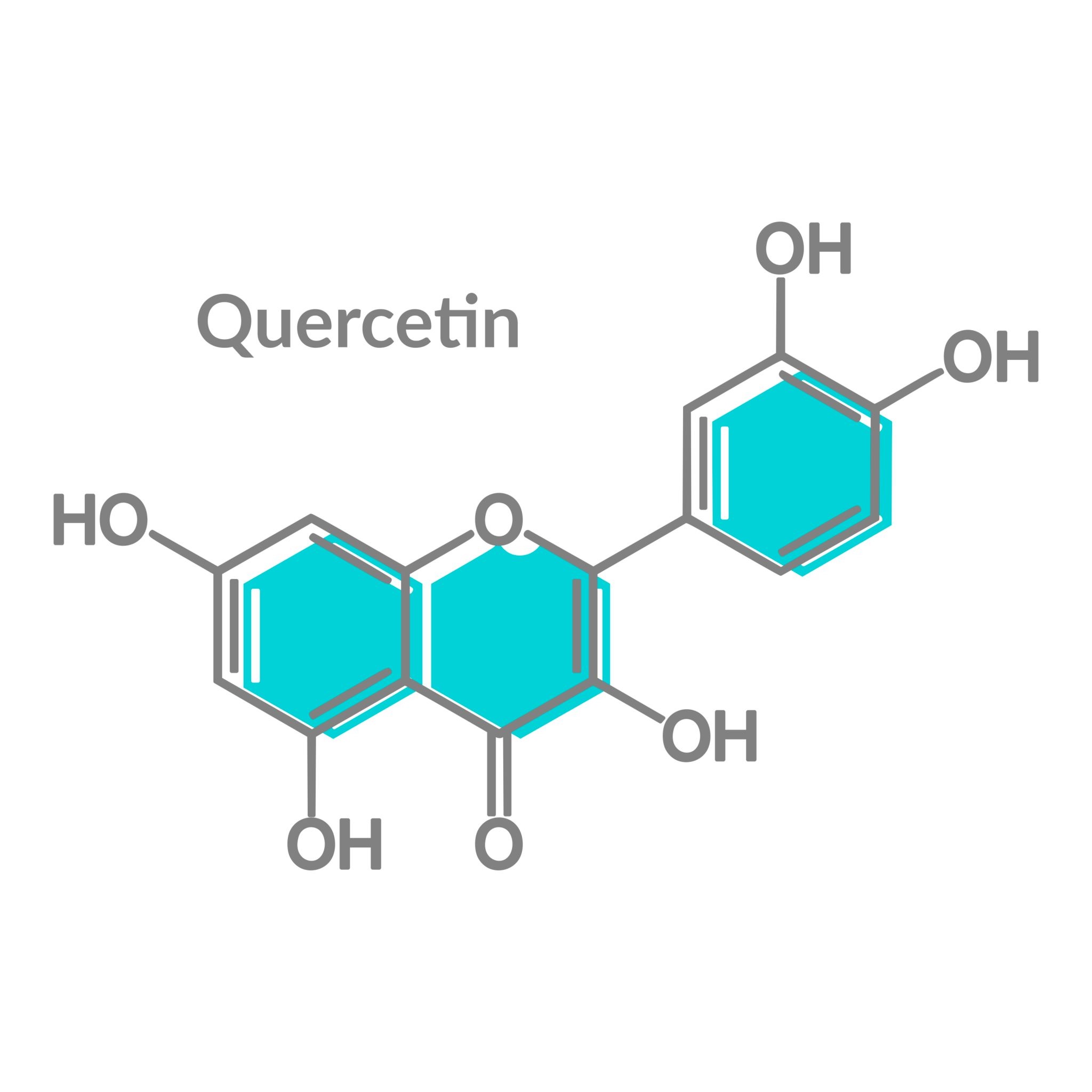
The scientific brilliance of flavonoids lies in their selective absorption. They are designed to shield the plant's cells from damaging UV radiation while still allowing the specific wavelengths of light necessary for photosynthesis to pass through. This ensures the plant stays protected without sacrificing its ability to produce food.
Without these compounds, UV radiation could cause significant cellular damage, leading to mutations or a breakdown in the plant's metabolic processes. By filtering out the "bad" light, flavonoids maintain the genetic integrity of the plant and its overall health, even in the most intense solar exposure.
This biological adaptation is a testament to the evolutionary history of land plants. As they moved from water to sun-drenched land, developing plant sunscreen was essential for survival. It is a high-tech chemical solution found right in the middle of a common cornfield.